Archives

When is scallop season at its peak in Finland?

Scallop season in Finland peaks from September through November, when these prized mollusks reach their optimal size and sweetness in the cold Baltic waters. The cooler autumn temperatures and reduced daylight hours trigger scallops to develop their characteristic firm texture and rich, briny flavor that makes Finnish scallops particularly sought after by seafood enthusiasts.

Finnish scallops differ significantly from their imported counterparts due to the unique conditions of the Baltic Sea, which create a distinctly Nordic flavor profile. This article explores the seasonal patterns of Finnish scallop harvesting, what makes these local varieties special, where to find them during peak season, and how to prepare them to showcase their exceptional quality.

When is scallop season at its peak in Finland?

Finnish scallop season reaches its peak from September through November, with October typically offering the highest quality specimens. During these autumn months, Baltic Sea scallops achieve their optimal meat-to-shell ratio and develop the sweet, nutty flavor that distinguishes them from summer catches.

The seasonal timing reflects the natural lifecycle of scallops in Finnish waters. As water temperatures cool from the summer highs, scallops begin building up glycogen reserves for winter, which translates to plumper, more flavorful meat. Reduced algae blooms in autumn also contribute to cleaner-tasting scallops, as the mollusks filter less organic matter from the water during this period.

Commercial harvesting typically begins in early September and continues through late November, though some smaller operations may extend into December depending on weather conditions. Peak availability usually occurs in mid to late October, when scallops have reached full maturity but haven’t yet entered their winter dormancy phase.

Weather patterns significantly influence the exact timing of peak season each year. Warmer autumns may extend the optimal harvesting period, while early cold snaps can accelerate the seasonal transition. Professional buyers and restaurants typically monitor water temperatures and work closely with local fishermen to identify the precise weeks when scallops are at their absolute best.

What makes Finnish scallops different from imported varieties?

Finnish scallops develop a distinctly sweet, mineral-rich flavor due to the low salinity and cold temperatures of the Baltic Sea, creating a more delicate taste profile compared to Atlantic or Pacific varieties. The brackish water conditions, unique to the Baltic region, result in scallops with a firmer texture and a subtle brininess that’s less intense than ocean-harvested specimens.

The size difference is immediately noticeable when comparing Finnish scallops to imported varieties. Baltic scallops tend to be smaller, typically measuring 60-80mm in diameter, but this compact size concentrates their flavor intensity. The meat-to-shell ratio is exceptionally high, with the adductor muscle comprising a larger percentage of the total weight compared to larger ocean scallops.

Environmental factors play a crucial role in shaping these characteristics. The Baltic Sea’s lower salinity levels, ranging from 6-10 parts per thousand compared to 35 parts per thousand in ocean waters, create less stress on the scallops’ filtering systems. This results in cleaner, less salty meat with a pronounced sweetness that many chefs prefer for delicate preparations.

The cold water temperatures throughout most of the year also contribute to the firm, almost crunchy texture that Finnish scallops are known for. This texture holds up exceptionally well to various cooking methods, from quick searing to gentle poaching, making them versatile ingredients for both traditional and modern culinary applications.

Sustainability practices in Finnish scallop harvesting also distinguish these products from many imported alternatives. Local regulations ensure minimal environmental impact, and the shorter supply chain means fresher products with better traceability from sea to plate.

Where can you find fresh Finnish scallops during peak season?

Fresh Finnish scallops during peak season are available at specialized seafood markets in Helsinki, high-end restaurants focusing on local ingredients, and directly from coastal fishermen in the archipelago regions. The most reliable sources include established fish markets like Kauppatori’s seafood vendors and restaurants that maintain direct relationships with local harvesters.

Helsinki’s restaurant scene offers the most consistent access to peak-season Finnish scallops. Establishments that specialize in Nordic cuisine and local seafood typically secure their supplies weeks in advance, ensuring availability throughout the optimal harvest period. These restaurants often feature daily specials highlighting the seasonal catch, with preparations that showcase the scallops’ natural sweetness.

For home cooks, the best approach is to establish relationships with reputable fishmongers who can provide advance notice when fresh Finnish scallops arrive. Many vendors take pre-orders during peak season, as the limited supply and high demand mean the best specimens sell quickly. Calling ahead or visiting early in the day significantly improves your chances of securing fresh scallops.

The archipelago regions, particularly around Turku and the Åland Islands, offer opportunities to purchase directly from fishermen. This direct-from-source approach often provides the freshest possible product, though it requires more planning and may involve traveling to smaller coastal communities during the harvest season.

Some specialty food stores in major Finnish cities also carry fresh Finnish scallops during peak season, though availability can be inconsistent. These retailers typically charge premium prices but offer the convenience of urban accessibility without the need to visit dedicated seafood markets.

How should you prepare scallops during peak season?

Peak-season Finnish scallops should be prepared simply to highlight their natural sweetness, with quick searing being the most effective method to achieve a golden crust while maintaining the tender interior. The key is minimal seasoning and high heat for a brief cooking time, typically 2-3 minutes per side depending on size.

Proper preparation begins with careful handling and storage. Fresh scallops should be removed from their shells just before cooking to preserve maximum moisture and flavor. Pat them completely dry with paper towels, as excess moisture prevents proper searing and can lead to steaming rather than browning.

The classic searing technique involves heating a heavy-bottomed pan until it’s smoking hot, adding a small amount of neutral oil with a high smoke point, then placing the scallops in the pan without overcrowding. Resist the urge to move them during the first 2-3 minutes, allowing the natural sugars to caramelize and create that coveted golden crust.

Seasoning should be restrained during peak season, as the goal is to enhance rather than mask the scallops’ inherent flavor. A light sprinkle of sea salt and freshly cracked black pepper applied just before cooking is often sufficient. Some chefs prefer finishing with a small amount of butter, fresh herbs like dill or chives, or a squeeze of lemon juice.

Alternative preparation methods that work exceptionally well with Finnish scallops include gentle poaching in court bouillon, raw preparations like crudo or ceviche, and light grilling over moderate heat. Each method should emphasize the scallops’ delicate texture and sweet flavor rather than overwhelming them with heavy sauces or aggressive seasonings.

When you’re ready to experience the exceptional quality of peak-season Finnish scallops prepared by expert hands, we invite you to visit Fisken på Disken in the heart of Helsinki. Located on the 5th floor of Kortteli in Kamppi, our restaurant celebrates the finest seasonal offerings from Finnish waters, transforming amazing fresh ingredients through our fusion of classical and modern culinary techniques. Our chefs work directly with local suppliers to ensure we feature the best scallops during their peak season, creating culinary adventures that showcase the unique character of Baltic Sea seafood.

Where to find the freshest oysters in Helsinki?

Oysters and wine

Helsinki offers exceptional fresh oysters at several specialty restaurants and seafood bars, with Fisken på Disken leading as the city’s first and only dedicated oyster bar and crustacean restaurant. The city’s coastal location and strong culinary scene ensure access to high-quality, seasonal oysters year-round. Helsinki’s commitment to fresh, locally sourced seafood makes it an ideal destination for oyster enthusiasts seeking authentic Nordic flavors and expertly prepared shellfish.

What makes Helsinki a great city for fresh oysters?

Helsinki’s coastal location on the Baltic Sea and its strong maritime culinary tradition make it an exceptional destination for fresh oysters. The city’s proximity to pristine Nordic waters ensures access to high-quality shellfish, while its sophisticated restaurant scene has embraced oyster culture with expertise and innovation.

As Finland’s capital and “Daughter of the Baltic Sea,” Helsinki has developed a deep appreciation for seafood that extends far beyond traditional Finnish fish dishes. The city’s culinary evolution has embraced international oyster varieties while maintaining a commitment to freshness and seasonal availability that defines Nordic cuisine.

Helsinki’s restaurant culture values quality ingredients and expert preparation, creating an environment where oyster bars can thrive. The combination of knowledgeable chefs, discerning diners, and reliable supply chains from both local and international sources has established Helsinki as a legitimate oyster destination in Northern Europe.

Where can you find the best oyster bars in Helsinki?

Fisken på Disken, located on the 5th floor of the Kamppi shopping center in Kortteli, stands as Helsinki’s premier oyster destination and the city’s first dedicated crustacean bar. This pioneering restaurant offers three different oyster varieties daily, with a three-oyster tasting portion available for 14 euros during lunch hours.

The restaurant’s seafood bar maintains a constant selection of fresh oysters alongside seasonal crustaceans, ensuring variety and quality that reflects the best of what’s available. Located in the heart of Helsinki, Fisken på Disken combines the expertise of both classical and modern culinary traditions to create an authentic oyster experience.

Beyond Fisken på Disken, Helsinki’s evolving seafood scene includes several restaurants that feature oysters as part of their offerings, though none match the specialization and dedication found at the city’s only true oyster bar. The concentration of quality establishments in central Helsinki makes it easy for visitors to explore different approaches to oyster preparation and presentation.

How much do fresh oysters cost in Helsinki restaurants?

Fresh oysters in Helsinki typically cost between 4-8 euros per piece at premium establishments, with tasting portions offering better value for those wanting to sample multiple varieties. At Fisken på Disken, a three-oyster selection costs 14 euros during lunch hours, providing an accessible introduction to quality oysters.

Pricing varies based on oyster variety, restaurant positioning, and seasonal availability. Premium varieties and imported oysters command higher prices, while lunch specials and tasting portions offer more affordable entry points for newcomers to oyster dining.

The investment in fresh oysters reflects the careful sourcing, proper storage, and expert preparation required to serve these delicate shellfish at their peak quality. Helsinki’s oyster prices align with those in other Nordic capitals, reflecting both the premium nature of the product and the expertise required for proper service.

What types of oysters are available in Helsinki?

Helsinki restaurants typically offer a rotating selection of European and international oyster varieties, with availability changing based on seasonal conditions and supply chain factors. Common varieties include French oysters from Normandy and Brittany, along with selections from Ireland, Scotland, and other premium growing regions.

Fisken på Disken maintains three different oyster varieties daily, ensuring guests can experience diverse flavor profiles and textures. The selection emphasizes quality over quantity, with each variety chosen for its distinctive characteristics and optimal freshness.

The specific varieties available change regularly to reflect seasonal peaks and the restaurant’s commitment to serving oysters at their absolute best. This approach means each visit offers the potential for new discoveries, making oyster exploration an ongoing culinary adventure rather than a static menu experience.

When is the best time to eat oysters in Helsinki?

Oysters are available year-round in Helsinki, but the traditional “R months” (September through April) often provide peak quality as cooler temperatures support optimal growing conditions. However, modern aquaculture and careful sourcing mean high-quality oysters can be enjoyed throughout the year.

The lunch period offers particular value at establishments like Fisken på Disken, where the three-oyster tasting portion provides an affordable way to experience premium shellfish. The restaurant’s lunch hours from 11:00 AM to 3:00 PM Tuesday through Friday create an ideal opportunity for midday oyster enjoyment.

Evening dining allows for more elaborate oyster experiences, often paired with champagne or wine selections that complement the shellfish’s delicate flavors. The after-work period has become particularly popular among Helsinki professionals seeking to unwind with quality oysters and sparkling wine in sophisticated settings.

Where to eat in Helsinki in 2026?

The lohikeitto takeaway

Helsinki offers an exceptional dining scene in 2026, featuring innovative Nordic cuisine, world-class seafood restaurants, and traditional Finnish dishes across diverse neighborhoods from Punavuori to Kamppi. The city’s culinary landscape combines fresh Baltic ingredients with international influences, creating unique experiences for every budget and taste preference.

Helsinki’s reputation as a culinary destination has grown significantly, with restaurants earning international recognition while maintaining strong connections to local traditions and seasonal ingredients. Whether you’re seeking authentic Finnish flavors or cutting-edge seafood preparations, the city delivers memorable dining experiences throughout the year.

What makes Helsinki’s food scene unique in 2026?

Helsinki’s food scene stands out for its innovative use of Nordic ingredients, emphasis on seasonal sustainability, and fusion of traditional Finnish techniques with modern culinary artistry. The city’s coastal location provides exceptional access to fresh Baltic seafood, while local foraging traditions bring unique flavors like cloudberries, mushrooms, and sea buckthorn to restaurant menus.

The Finnish capital has embraced the New Nordic movement while maintaining its own distinct identity. Restaurants focus heavily on locally sourced ingredients, with many establishments changing their menus seasonally to reflect what’s available from nearby forests, farms, and waters. This commitment to freshness creates a dynamic dining landscape where each visit can offer new discoveries.

Helsinki’s culinary innovation extends to its treatment of traditional dishes. Classic preparations like salmon soup and reindeer receive modern interpretations while preserving their authentic flavors. The city’s multicultural population has also enriched the food scene, creating exciting fusion concepts that blend Finnish traditions with international influences.

Where should tourists eat for authentic Finnish cuisine?

Tourists seeking authentic Finnish cuisine should explore restaurants that specialize in traditional preparations using local ingredients, particularly those featuring game meats, fresh fish, and foraged elements like mushrooms and berries. Many establishments in Helsinki’s historic districts offer genuine Finnish experiences with dishes like karjalanpiirakka, poronkäristys, and various preparations of salmon and herring.

Traditional Finnish cuisine emphasizes simplicity and quality ingredients rather than complex preparations. Look for restaurants that feature seasonal menus highlighting local catches from the Baltic Sea, game from Finnish forests, and vegetables from nearby farms. These establishments often provide the most authentic taste of Finnish culinary heritage.

The best authentic experiences often come from restaurants that have been family-owned for generations or those that specifically focus on preserving traditional cooking methods. Many of these establishments offer explanations of their dishes’ cultural significance, helping visitors understand the connection between Finnish food and the country’s history and geography.

What are the best seafood restaurants in Helsinki?

Helsinki’s best seafood restaurants combine fresh Baltic catches with expert preparation techniques, offering everything from casual fish markets to upscale dining experiences featuring locally sourced oysters, salmon, and seasonal specialties. The city’s coastal location ensures exceptional quality and variety in seafood offerings throughout the year.

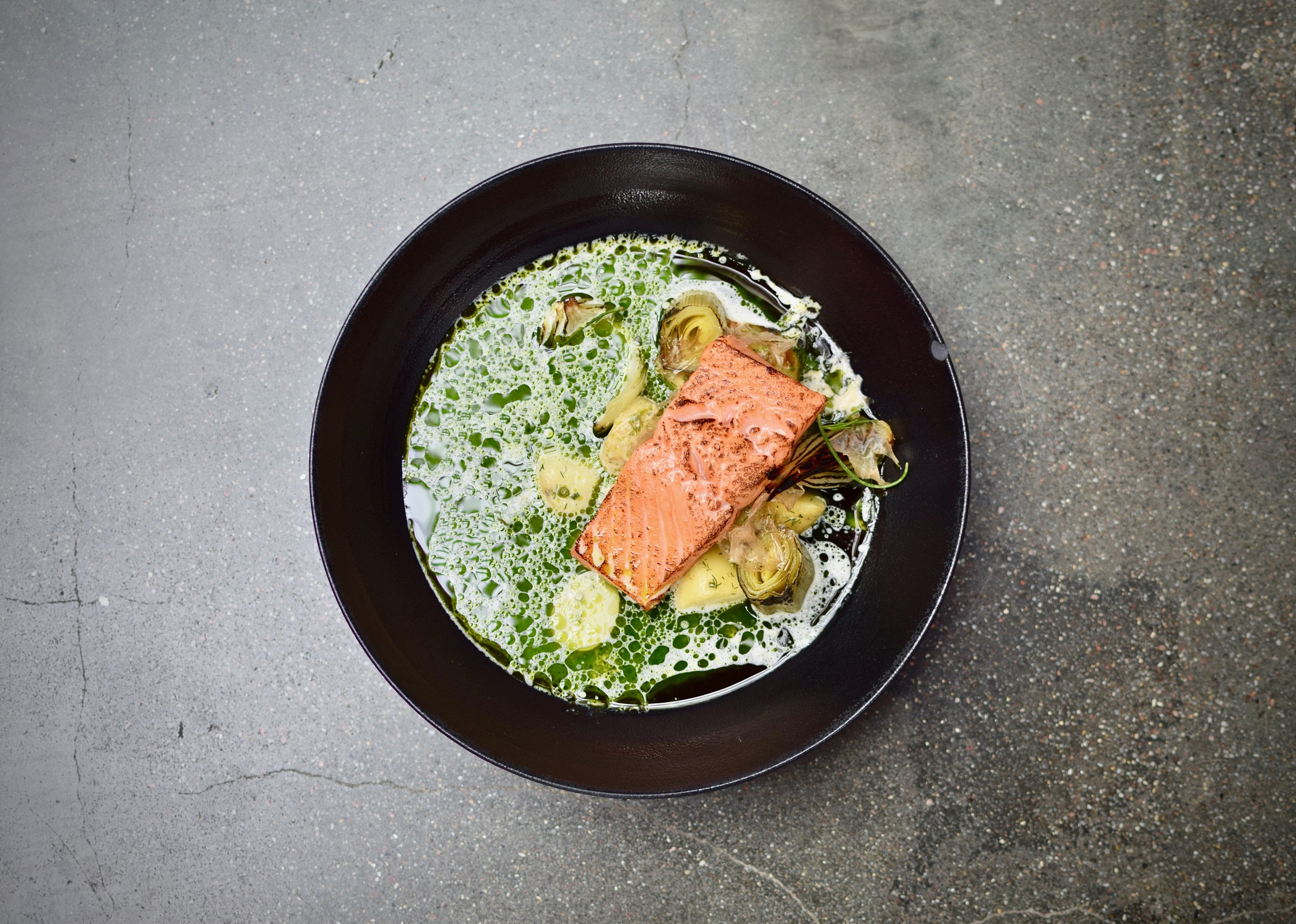
Fisken på Disken stands out as Helsinki’s first crustacean bar and fish restaurant, located in the heart of Kamppi. This pioneering establishment offers fresh oysters daily, with three varieties available and a three-oyster serving priced at 14 euros during lunch hours. Their famous salmon soup has earned recognition as one of Helsinki’s finest, prepared with exceptionally fresh ingredients using both classical and modern culinary techniques.

The restaurant’s seafood bar features fresh oysters and crustaceans according to seasonal availability, while their Chef’s menu at 69 euros showcases the finest seasonal offerings. Located on the 5th floor of Kortteli in Kamppi, it provides an ideal setting for both after-work champagne and oyster sessions and complete dinner experiences.

Other notable seafood establishments throughout Helsinki focus on different aspects of marine cuisine, from casual fish and chips spots to fine dining restaurants featuring elaborate seafood preparations. The key to finding exceptional seafood in Helsinki is seeking restaurants that emphasize daily freshness and seasonal availability.

How much should you budget for dining in Helsinki?

Dining in Helsinki typically costs 15-25 euros for lunch at mid-range restaurants, 35-60 euros per person for dinner at quality establishments, and 70-120 euros for fine dining experiences with wine pairings. Budget-conscious travelers can find satisfying meals for 10-15 euros at casual spots and food halls.

Lunch options provide excellent value, with many restaurants offering special lunch menus at reduced prices. Traditional Finnish lunch dishes, including hearty soups and fish preparations, often cost between 12-18 euros and provide substantial portions. This makes lunchtime an ideal opportunity to experience quality Finnish cuisine at accessible prices.

For dinner experiences, expect to pay more at the same establishments, as evening menus typically feature more elaborate preparations and larger portions. Wine and cocktail prices add significantly to the total cost, with glasses of wine ranging from 8-15 euros and cocktails from 12-18 euros at most restaurants.

Special dining experiences, such as chef’s tasting menus, represent the premium end of Helsinki’s dining scene. These multi-course experiences showcase the best of Finnish culinary artistry and typically include wine pairings, making them worthwhile investments for special occasions or culinary enthusiasts seeking memorable experiences.

Which Helsinki neighborhoods have the best restaurants?

Kamppi, Punavuori, and Kruununhaka offer Helsinki’s highest concentration of exceptional restaurants, each neighborhood providing distinct dining personalities from casual bistros to fine dining establishments. These central areas combine accessibility with culinary diversity, making them ideal for food-focused exploration.

Kamppi serves as a dining hub with its central location and diverse offerings. The neighborhood houses everything from quick lunch spots to sophisticated seafood restaurants, with excellent public transportation connections making it easily accessible for visitors. The area’s restaurants often stay open later than those in other neighborhoods, making it popular for both business lunches and evening dining.

Punavuori attracts food enthusiasts with its concentration of innovative restaurants and trendy bistros. This design-focused neighborhood features establishments that emphasize both culinary creativity and aesthetic presentation, often incorporating local art and design elements into their dining environments.

Kruununhaka offers a more traditional atmosphere with restaurants housed in historic buildings and featuring classic Finnish preparations alongside international cuisines. The neighborhood’s proximity to Helsinki’s main attractions makes it convenient for tourists who want to combine sightseeing with exceptional dining experiences.

What to do in Helsinki during summer 2026?

Helsinki offers exceptional summer experiences in 2026, from waterfront festivals and island hopping to world-class museums and vibrant outdoor dining scenes. The city’s long daylight hours, numerous parks, and maritime setting create perfect conditions for both cultural exploration and outdoor adventures. This guide covers the essential summer activities, cultural attractions, dining recommendations, and transportation tips to help you make the most of your Helsinki visit.

What are the best outdoor activities in Helsinki during summer?

Helsinki’s best summer outdoor activities include island hopping to Suomenlinna fortress, cycling through Esplanadi Park, visiting Market Square for local crafts, and enjoying waterfront dining along the harbor. The city’s extensive coastline and numerous parks provide endless opportunities for outdoor recreation during the bright summer months.

Suomenlinna, a UNESCO World Heritage site, stands as Helsinki’s crown jewel for outdoor exploration. This 18th-century fortress spreads across six islands and offers hiking trails, historic tunnels, and spectacular harbor views. The 15-minute ferry ride from Market Square becomes part of the adventure, providing stunning perspectives of Helsinki’s skyline.

Helsinki’s park system transforms into a green paradise during summer. Esplanadi Park hosts outdoor concerts and markets, while Kaivopuisto offers hilltop picnic spots with panoramic sea views. Central Park, stretching from the city center to the northern suburbs, provides kilometers of walking and cycling paths through pristine Finnish forest.

The city’s waterfront comes alive with summer activities. Market Square buzzes with vendors selling fresh berries, local crafts, and traditional Finnish foods. The nearby Allas Sea Pool offers a unique swimming experience with heated pools overlooking the Baltic Sea, combining relaxation with breathtaking urban views.

For active visitors, Helsinki’s extensive cycling network includes dedicated bike lanes and rental stations throughout the city. The coastal route from Kaivopuisto to the Suomenlinna ferry terminal showcases the city’s maritime character, while inland routes explore residential neighborhoods and hidden parks.

Which Helsinki museums and cultural attractions should you visit in summer 2026?

Helsinki’s must-visit summer cultural attractions include the contemporary Amos Rex museum, the iconic Temppeliaukio Rock Church, Design District galleries, and the National Museum of Finland. Many venues extend their hours during summer and offer special exhibitions that complement the season’s vibrant atmosphere.

Amos Rex has revolutionized Helsinki’s museum scene since its opening, featuring cutting-edge contemporary art in an underground space topped by distinctive dome skylights. The museum’s summer exhibitions often incorporate interactive elements and digital installations that appeal to visitors of all ages. Its central location near Kamppi makes it easily accessible for tourists exploring the city center.

Temppeliaukio Rock Church represents Helsinki’s architectural innovation, carved directly into solid rock with a stunning copper dome. The church’s unique acoustics make it a popular venue for summer concerts, combining spiritual architecture with world-class musical performances. Natural light filtering through the dome creates an ethereal atmosphere that changes throughout the day.

Helsinki’s Design District encompasses over 200 shops, galleries, and studios showcasing Finnish design heritage and contemporary creativity. Summer brings extended gallery hours and outdoor design markets, allowing visitors to experience the district’s creative energy in the bright Nordic light. The area perfectly represents Helsinki’s reputation as a design capital.

The National Museum of Finland offers comprehensive insight into Finnish culture and history, from prehistoric times to the present. Summer special exhibitions often focus on Finnish traditions and cultural practices, providing context for understanding modern Helsinki. The museum’s Art Nouveau architecture adds visual appeal to the educational experience.

Where should you eat and drink in Helsinki during summer?

Helsinki’s summer dining scene centers around waterfront terraces, local markets serving fresh Nordic ingredients, rooftop bars with harbor views, and specialized seafood restaurants celebrating the Baltic’s seasonal offerings. The extended daylight hours create perfect conditions for leisurely outdoor dining experiences.

Market Square and the nearby Old Market Hall provide authentic Finnish culinary experiences with vendors offering fresh salmon, local berries, and traditional pastries. Summer brings the best selection of seasonal produce, including cloudberries, wild mushrooms, and just-caught Baltic fish. These markets offer both quick snacks and ingredients for picnics in nearby parks.

Helsinki’s restaurant terraces take full advantage of the summer weather, with establishments along the harbor offering stunning water views alongside their menus. Many restaurants extend their outdoor seating during the summer months, creating vibrant dining districts in areas like Punavuori and Kruununhaka.

For an exceptional seafood experience, Fisken på Disken in Kamppi Kortteli offers Helsinki’s finest selection of fresh oysters and seasonal Baltic specialties. Located on the 5th floor with views over the city, this seafood restaurant and oyster bar serves three different oyster varieties daily, with a three-oyster lunch portion available for 14 euros. Their renowned salmon soup has earned recognition as Helsinki’s best, crafted with exceptionally fresh ingredients using both classical and modern culinary techniques. You can explore their full seafood and oyster menu featuring seasonal Baltic specialties.

Rooftop bars and breweries flourish during Helsinki’s bright summer evenings. Local craft breweries often feature summer-specific beers and extended outdoor seating, while hotel rooftop bars provide sophisticated cocktail experiences with panoramic city views. The long daylight hours mean outdoor dining continues well into the evening.

How do you get around Helsinki efficiently as a summer tourist?

Helsinki’s most efficient summer transportation combines the HSL public transport system, city bikes, walking, and ferry connections to islands. The Helsinki Card provides unlimited public transport plus museum entries, while the compact city center makes walking between major attractions both pleasant and practical.

The HSL public transport network includes metros, trams, buses, and ferries operating on a unified ticketing system. Summer schedules often feature extended hours and additional services to popular destinations like beaches and islands. The HSL app provides real-time updates and journey planning in multiple languages, making navigation simple for international visitors.

City bike sharing systems expand significantly during summer months, with additional stations near tourist attractions and parks. These bikes offer an eco-friendly way to explore Helsinki’s flat terrain and extensive cycling infrastructure. Many hotels and tourist information centers provide cycling maps highlighting scenic routes and bike-friendly attractions.

Walking remains one of the best ways to experience Helsinki’s summer atmosphere. The city center’s compact layout means most major attractions lie within a 20-minute walk of each other. Pedestrian-friendly streets like Esplanadi and Aleksanterinkatu showcase Helsinki’s architecture and street life, while waterfront promenades offer scenic walking routes along the Baltic Sea.

Ferry connections become essential for reaching Helsinki’s islands and coastal attractions. Regular ferries to Suomenlinna run year-round, while summer brings additional services to recreational islands like Vallisaari and Lonna. These ferries accept HSL tickets and provide stunning harbor views as part of the transportation experience.

For longer distances or airport transfers, Helsinki’s taxi services and ride-sharing apps operate efficiently throughout the summer. The airport train connection offers the fastest route between Helsinki-Vantaa Airport and the city center, running every 10 minutes during peak summer travel periods.

What drinks are served with oysters?

Oysters and wine

The best drinks to serve with oysters include champagne, dry white wines, crisp cocktails, and light beers that complement the briny, delicate flavors without overwhelming them. Classic pairings like champagne and Muscadet enhance the oyster’s natural salinity, while modern cocktails with citrus or herbal notes create exciting flavor contrasts. The key is choosing beverages with enough acidity to cleanse the palate and bright flavors that harmonize with the sea’s essence.

What drinks pair best with oysters?

Champagne, dry white wines like Muscadet and Sancerre, gin-based cocktails, and light lagers create the most harmonious pairings with fresh oysters. These beverages share common characteristics that complement oysters perfectly: bright acidity, clean minerality, and refreshing qualities that enhance rather than mask the shellfish’s delicate brininess.

The foundation of excellent oyster pairings lies in understanding balance. Oysters possess a unique combination of sweet, salty, and mineral flavors that vary depending on their waters of origin. Cold-water oysters tend to be more briny and metallic, while warm-water varieties often display sweeter, creamier notes. Your drink selection should either mirror these characteristics or provide a pleasant contrast.

Sparkling wines remain the gold standard because their effervescence cleanses the palate between each oyster, while their acidity cuts through any richness. Beyond champagne, consider Chablis for its steely minerality, or a well-chilled Albariño from Spain’s coastal regions. For cocktail enthusiasts, a classic martini or a cucumber gimlet provides the botanical complexity that elevates the entire tasting experience.

Why is champagne the classic oyster pairing?

Champagne pairs perfectly with oysters because its high acidity, effervescence, and mineral complexity mirror the ocean environment where oysters thrive. The bubbles cleanse the palate after each bite, while the wine’s crisp acidity enhances the oyster’s natural salinity without competing with its delicate flavors.

This pairing has deep historical roots in French culinary tradition, where both champagne and oysters represented luxury and sophistication. The regions that produce France’s finest oysters, particularly Brittany and Normandy, share similar terroir characteristics with Champagne’s chalky soils, creating a natural affinity between the products.

From a sensory perspective, champagne’s effervescence creates a textural contrast to the oyster’s smooth, creamy consistency. The wine’s mineral backbone, derived from limestone-rich soils, echoes the oceanic minerals present in fresh oysters. Additionally, champagne’s relatively low alcohol content ensures it won’t overpower the subtle nuances that distinguish different oyster varieties.

What wines work well with different oyster varieties?

Different oyster varieties require specific wine pairings based on their flavor profiles: briny Atlantic oysters pair beautifully with Muscadet and Sancerre, while sweeter Pacific varieties complement Albariño and Vermentino. The oyster’s waters of origin determine its mineral content and salinity level, which should guide your wine selection.

East Coast oysters like Blue Points and Wellfleets possess intense salinity and metallic notes that harmonize with Loire Valley whites. Muscadet’s sea-spray character and Sancerre’s gooseberry acidity provide the perfect counterpoint to these assertive flavors. For particularly briny varieties like Malpeques, consider a bone-dry Chablis whose mineral precision matches the oyster’s intensity.

West Coast oysters such as Kumamotos and Pacific varieties tend toward sweetness and creaminess, calling for wines with more fruit character. Spanish Albariño offers stone fruit notes that complement these gentler flavors, while Italian Vermentino provides herbal complexity. Champagne works universally, but vintage champagnes, with their richer, more developed flavors, particularly suit the nuanced sweetness of Pacific oysters.

European flat oysters like Belons demand special consideration due to their pronounced metallic taste. These challenging beauties pair best with mature champagnes or aged white Burgundies that can stand up to their intensity while providing enough complexity to create an intriguing flavor dialogue.

How do cocktails complement oyster flavors?

Cocktails complement oysters by incorporating complementary flavors like citrus, herbs, and botanicals that enhance the shellfish’s natural brininess. Classic gin martinis, cucumber gimlets, and citrus-forward cocktails provide aromatic complexity while maintaining the clean, refreshing qualities essential for successful oyster pairings.

The key to successful oyster cocktails lies in restraint and precision. A perfectly dry gin martini with a lemon twist offers juniper’s piney notes alongside citrus oils that brighten the oyster’s flavor profile. The cocktail’s cold temperature and clean finish prepare the palate for each successive oyster without leaving lingering flavors that might interfere.

Modern mixology has embraced oyster pairings with innovative creations featuring ingredients like elderflower, cucumber, and fresh herbs. A cucumber gimlet with lime and mint creates an almost spa-like freshness that transforms the oyster experience into something ethereal. Similarly, cocktails incorporating sea salt or even oyster shell-infused spirits create direct flavor bridges between drink and food.

Avoid cocktails with heavy cream, sweet liqueurs, or dark spirits that would overwhelm oysters’ delicate nature. Instead, focus on clear spirits, fresh citrus, and aromatic herbs that provide complexity without masking the ocean’s pure essence captured in each shell.

What should you avoid drinking with oysters?

Avoid heavy red wines, sweet cocktails, dark spirits, and anything with strong tannins or excessive sweetness when eating oysters. These beverages overpower the shellfish’s delicate flavors and create unpleasant metallic or bitter aftertastes that ruin the oyster experience.

Red wines present the biggest challenge due to their tannin structure, which creates an unpleasant metallic taste when combined with oysters’ high mineral content. Even light red wines like Pinot Noir can produce this unwelcome reaction, making them poor choices despite their elegance in other seafood pairings. The iron content in oysters reacts negatively with tannins, creating flavors reminiscent of pennies or old metal.

Sweet beverages, whether wine-based or cocktails, clash with oysters’ natural salinity and can make them taste unpleasantly fishy. Dessert wines, sweet cocktails with fruit juices, or anything containing simple syrups will highlight the wrong aspects of the oyster’s flavor profile. Similarly, heavily oaked wines introduce vanilla and butter notes that compete rather than complement.

Strong spirits served neat or in spirit-forward cocktails also prove problematic. Whiskey, rum, or tequila’s intense flavors and higher alcohol content numb the palate and prevent appreciation of oysters’ subtle nuances. The goal should always be enhancement, not domination, of the oyster’s natural character.

For the ultimate oyster experience in Helsinki, visit Fisken på Disken, where we serve three different fresh oyster varieties daily alongside expertly selected wines and champagnes. Located in the heart of Helsinki at Kamppi Kortteli, our seafood bar specializes in perfect oyster pairings, offering everything from classic champagne service to innovative cocktail creations that enhance these oceanic treasures. Our knowledgeable staff can guide you through the ideal drink selections to complement each day’s fresh oyster offerings, ensuring your tasting becomes a memorable culinary adventure. Check out our full menu of fresh seafood selections to discover all the exceptional pairings we offer.

What Is the Best Seafood Restaurant in Helsinki 2026?

Helsinki’s seafood scene has evolved dramatically over the past few years, with restaurants elevating traditional Nordic fish dishes alongside international influences. Finding the best seafood restaurant Helsinki has to offer requires understanding what sets exceptional establishments apart from the ordinary. The city’s coastal location provides access to incredibly fresh Baltic Sea catches, while its culinary innovation has created a dining landscape where traditional techniques meet modern presentation.

Whether you’re seeking the finest fresh oysters Helsinki has to offer or exploring comprehensive Helsinki seafood dining options, the capital’s restaurant scene delivers remarkable variety. From intimate seafood bars to expansive fine-dining establishments, each venue brings its own interpretation of what makes seafood exceptional.

What makes a seafood restaurant the best in Helsinki?

The best seafood restaurants in Helsinki combine exceptional ingredient sourcing, skilled preparation techniques, and an understanding of both traditional Nordic flavors and contemporary culinary trends. Superior establishments prioritize daily-fresh catches, maintain proper storage and handling protocols, and demonstrate expertise in various cooking methods, from raw preparations to complex sauces.

Ingredient quality forms the foundation of outstanding seafood dining. The finest restaurants establish direct relationships with trusted suppliers, ensuring consistent access to premium fish and shellfish. This commitment extends beyond simple freshness to encompass sustainable sourcing practices and seasonal menu adaptations that reflect natural availability cycles.

Technical expertise distinguishes exceptional seafood restaurants from average ones. Professional kitchens must master delicate cooking techniques that preserve the natural flavors and textures of different species. Whether preparing raw oysters, perfectly seared fish, or complex seafood compositions, skilled chefs understand how temperature, timing, and seasoning interact to create memorable dining experiences.

Which Helsinki neighborhoods have the best seafood restaurants?

Helsinki’s top seafood restaurants are concentrated primarily in the city center, particularly around Kamppi and the downtown core, where accessibility meets culinary innovation. The Kamppi area—specifically the fifth floor of the Kamppi shopping center in Kortteli—has emerged as a significant dining destination with elevated restaurant concepts.

Kortteli’s central location at Urho Kekkosenkatu 1 positions it perfectly for both locals and visitors seeking exceptional dining experiences. This rooftop dining district offers stunning city views alongside its culinary offerings, creating an atmosphere that enhances the overall seafood dining experience. The concentration of quality restaurants in this area reflects Helsinki’s evolution toward sophisticated dining destinations.

We operate from this prime location in Kortteli, where the combination of accessibility and ambiance creates an ideal setting for seafood appreciation. The elevated position provides not just physical height above the city, but also reflects the elevated approach to seafood preparation and presentation that defines modern Helsinki dining.

What types of seafood dishes are Helsinki restaurants known for?

Helsinki restaurants excel in both traditional Nordic preparations and contemporary interpretations, with particular strengths in fresh shellfish, Baltic Sea fish, and innovative seafood bar concepts. The city’s signature offerings include expertly prepared oysters, seasonal fish dishes, and creative combinations that blend classical techniques with modern presentation.

Traditional Nordic seafood preparations remain central to Helsinki’s culinary identity. These time-tested methods emphasize the natural flavors of local catches through techniques like smoking, curing, and simple preparations that allow ingredient quality to shine. Contemporary restaurants honor these traditions while incorporating international influences and modern plating techniques.

The seafood bar concept has gained particular prominence, offering diners interactive experiences with fresh oysters and shellfish prepared to order. This approach combines the immediacy of fresh preparation with the social atmosphere that makes dining memorable. Seasonal availability drives menu creativity, ensuring that offerings reflect the best available ingredients throughout the year.

How do you choose between fine dining and casual seafood spots in Helsinki?

Choosing between fine dining and casual seafood experiences depends on your priorities for atmosphere, service style, and culinary complexity, though both approaches can deliver exceptional quality when executed properly. Fine dining emphasizes elaborate presentations, extensive wine pairings, and multi-course experiences, while casual spots focus on ingredient quality and approachable preparations.

Consider the occasion and your dining preferences when making this choice. Fine-dining seafood restaurants create experiences that extend far beyond the food itself, incorporating ambiance, service choreography, and artistic presentation. These establishments typically offer extensive wine programs designed to complement seafood preparations, creating comprehensive sensory experiences.

Casual seafood spots, including specialized seafood bars, often provide more direct access to ingredient quality and preparation techniques. The informal atmosphere allows for greater interaction with preparation methods and often features more flexible ordering options. Both approaches can deliver exceptional results when the fundamental commitment to ingredient quality and preparation expertise remains consistent.

The best choice ultimately depends on whether you prioritize elaborate presentation and formal service or prefer focusing primarily on ingredient quality and preparation skill in a more relaxed setting. Either approach can provide memorable Helsinki seafood dining experiences when executed with proper attention to detail and a commitment to excellence. To experience exceptional seafood dining firsthand, consider making a reservation for Helsinki seafood at one of these outstanding establishments.

What are Helsinki’s best walk-in restaurants

Yksityistilaisuudet

Helsinki’s dining scene offers incredible flexibility for spontaneous food lovers, with many exceptional restaurants welcoming walk-in guests throughout the week. Whether you’re craving fresh seafood, traditional Finnish cuisine, or international flavors, the Finnish capital provides numerous options for diners who prefer the freedom of unplanned meals over rigid reservation schedules.

Knowing where to find the best walk-in dining experiences can transform your Helsinki food adventures, allowing you to discover hidden gems and enjoy memorable meals without the pressure of advance planning. From bustling neighborhood bistros to specialized seafood establishments, Helsinki’s restaurant landscape caters beautifully to walk-in diners who appreciate quality and authenticity.

What makes a restaurant good for walk-in dining?

A restaurant excels at walk-in service when it maintains flexible seating arrangements, efficient service systems, and a welcoming atmosphere for spontaneous diners. The best walk-in establishments balance accessibility with quality, ensuring that unplanned guests receive the same exceptional experience as those with reservations.

Key characteristics include strategic table management that reserves space for walk-ins during peak hours, streamlined ordering processes that accommodate varying party sizes, and staff trained to handle the dynamic flow of spontaneous arrivals. Successful walk-in restaurants often feature bar seating, communal tables, or smaller, more intimate spaces that can be turned over quickly between guests.

The physical layout plays a crucial role, with open kitchens, visible availability, and clear sight lines helping both staff and guests navigate the space efficiently. Additionally, restaurants that excel at walk-in service typically offer menu items that can be prepared quickly without compromising quality, ensuring shorter wait times for hungry guests.

Which Helsinki neighborhoods have the best walk-in restaurants?

Punavuori, Kamppi, and the Design District concentrate Helsinki’s most walk-in-friendly restaurants, offering diverse dining options within compact, pedestrian-accessible areas. These neighborhoods feature high restaurant density, varied price points, and establishments specifically designed to accommodate spontaneous dining.

The Kortteli area in the city center stands out in particular for its concentration of quality establishments that welcome walk-in guests. This vibrant district combines traditional Finnish hospitality with modern dining concepts, creating an ideal environment for food exploration without advance planning.

The Kallio neighborhood provides excellent walk-in options with a more local, authentic atmosphere, while Kruununhaka offers historic charm alongside accessible dining. Each area maintains its distinct character while ensuring that hungry visitors can find satisfying meals regardless of how far ahead they’ve planned.

What are Helsinki’s best seafood restaurants for walk-ins?

Helsinki’s seafood scene welcomes walk-in diners with fresh, seasonal offerings that showcase the Baltic Sea’s finest catches and carefully sourced international selections. The city’s coastal location and strong maritime traditions create numerous opportunities for spontaneous seafood dining experiences.

Located in the heart of Helsinki’s Kortteli district, we at Fisken på Disken welcome walk-in guests during our operating hours, offering a seafood bar experience where bold flavors take center stage. Our kitchen crafts dishes from exceptional ingredients, drawing on both classical and modern culinary techniques, and our seafood bar always features fresh oysters and shellfish, depending on seasonal availability.

We gladly accommodate special requests and dietary requirements, creating memorable flavor experiences tailored to your preferences. Our comprehensive wine selection ensures the perfect pairing for any seafood choice, whether you’re enjoying fresh oysters or exploring our seasonal fish preparations.

How do you find walk-in availability at popular Helsinki restaurants?

The most effective approach combines smart timing with direct communication: visit during off-peak hours or call ahead to ask about walk-in policies and current availability. Many Helsinki restaurants hold specific tables for walk-in guests or can accommodate spontaneous diners during slower periods.

Optimal walk-in timing typically falls between 5:30 and 6:30 PM for dinner service, before the main reservation rush, or after 8:30 PM, when early diners begin to leave. Lunch service generally offers more flexibility, with many establishments welcoming walk-ins throughout the midday period.

Bar seating often provides the most reliable walk-in option, allowing you to enjoy full menu service while maintaining flexibility. Some restaurants also keep waiting lists for walk-in guests, particularly on busy weekends, making it worthwhile to ask even if you’re initially told that no tables are available.

What should you expect when dining walk-in versus with reservations?

Walk-in dining typically involves shorter waits during off-peak hours but may require flexibility regarding seating location and timing during busy periods. Service quality remains consistent, though walk-in guests might receive slightly different table assignments or timing than reservation holders.

Expect potentially longer waits during prime dining hours, particularly on Friday and Saturday evenings, when reservation holders receive priority seating. However, many Helsinki restaurants pride themselves on treating all guests equally once seated, ensuring that walk-in diners receive the same attention to food quality and service excellence.

The spontaneous nature of walk-in dining often creates unique opportunities to experience restaurants at their most authentic, when staff can provide personalized recommendations based on daily specials or seasonal availability. This flexibility frequently leads to discovering menu items or preparations you might not have considered with advance planning, though you can always secure your table reservation online if you prefer guaranteed seating.

Premium Seafood Dining Experience in Kamppi

Finding exceptional seafood dining in Helsinki can be challenging when you’re looking for more than standard restaurant fare. Many establishments offer limited selections, rely on frozen ingredients, or lack the expertise to properly prepare delicate seafood dishes. When you want a truly memorable, premium seafood dining experience, you need a place that understands the nuances of fresh, seasonal ingredients and masterful preparation techniques.

Located in the heart of Kamppi on the fifth floor of the Kortteli shopping center, we’ve created a seafood restaurant and bar that elevates Helsinki’s dining scene. Our approach combines the finest seasonal ingredients with both classical and modern culinary techniques, delivering depth of flavor that goes far beyond expectations.

Authentic Seafood Excellence in Helsinki’s Heart

Premium seafood dining requires an unwavering commitment to ingredient quality and preparation expertise. We source only the finest seasonal fish and seafood, ensuring every dish reflects the natural flavors and textures that make seafood cuisine extraordinary. Our culinary team brings together years of experience in both traditional and contemporary cooking methods, creating dishes that honor each ingredient while showcasing innovative techniques.

Our location in Kortteli provides the perfect setting for this elevated dining experience. Rising above the bustling city center at Urho Kekkosenkatu 1, our restaurant offers stunning views alongside exceptional cuisine. The atmosphere allows guests to escape the everyday and immerse themselves in a world where culinary craftsmanship takes center stage.

Every aspect of our seafood preparation reflects a deep understanding of how different species require unique handling, timing, and flavor pairings. This expertise ensures that whether you’re enjoying a delicate fish dish or a robust shellfish preparation, the natural characteristics of each ingredient shine through.

Fresh Oysters and Seasonal Seafood Selection

Our specialty seafood bar represents the pinnacle of fresh shellfish dining in Helsinki. We maintain a constantly rotating selection of fresh oysters, carefully sourced and properly stored to deliver the pure, briny essence that oyster enthusiasts seek. Each variety offers distinct flavor profiles, from creamy and mild to bold and mineral-rich, allowing guests to explore the diverse world of premium oysters.

Beyond oysters, our seafood bar features an array of crustaceans and shellfish that changes based on seasonal availability and peak freshness. This approach ensures that every visit offers something new while maintaining the highest quality standards. The selection may include various crab preparations, premium shrimp, sea urchin, and other specialty items that showcase the best of what the season provides.

Proper service and preparation of raw and lightly prepared seafood require extensive knowledge of food safety, flavor enhancement, and presentation techniques. Our team’s expertise ensures that every item from the seafood bar meets the exacting standards discerning seafood lovers expect from a premium Helsinki restaurant.

Classic Meets Modern Culinary Approach

The art of seafood cookery spans centuries of culinary tradition, yet it continues to evolve with new techniques and flavor combinations. Our kitchen philosophy embraces this duality, drawing on time-tested classical methods while incorporating modern innovations that enhance rather than mask natural flavors. This balanced approach creates dishes that feel both familiar and surprising.

Classical techniques provide the foundation for proper seafood preparation, from traditional French methods of sauce-making to Mediterranean approaches to whole-fish cookery. These proven methods ensure consistent results and allow the natural qualities of premium ingredients to express themselves fully. Modern techniques add precision and new textural possibilities, creating memorable dining experiences that thoughtfully push boundaries.

We accommodate a range of dietary preferences and special requests, working with guests to create customized dining experiences that meet individual needs. This flexibility, combined with our extensive wine selection, ensures that every guest finds the perfect pairing to complement their seafood choices. We recommend discussing any preferences or dietary requirements when making a reservation so our team can prepare accordingly.

Reserve Your Premium Seafood Experience

Securing your table at our Kamppi location ensures access to Helsinki’s finest seafood dining experience. Our intimate setting and specialized menu require advance planning, particularly for guests seeking specific oyster varieties or seasonal specialties. Making a reservation allows our team to prepare for any dietary needs and ensures optimal timing for the freshest selections.

The reservation process is straightforward, and our team welcomes the opportunity to discuss menu options, wine pairings, and any special occasions you’re celebrating. This advance communication helps create a seamless dining experience tailored to your preferences and expectations.

Conveniently located in Kortteli on the fifth floor of the Kamppi shopping center, we’re easily accessible while offering an elevated escape from the city’s energy below. The combination of exceptional seafood, expert preparation, and stunning city views creates an unforgettable dining destination that showcases the best of Helsinki’s culinary scene.

How to choose quality restaurant in Helsinki last minute

Viinit | Wines

Finding a quality restaurant in Helsinki at the last minute can feel daunting, especially when you want to ensure an exceptional dining experience. Whether you’re a local looking for a spontaneous night out or a visitor seeking an authentic Helsinki dining experience, knowing how to quickly identify and secure a table at a good restaurant requires an understanding of what separates exceptional establishments from mediocre ones.

The key to successful last-minute restaurant selection lies in recognizing quality indicators, knowing where to look for availability, and understanding which areas of Helsinki offer the most reliable options for spontaneous dining. With the right approach, you can discover remarkable culinary experiences even without advance planning.

What Makes a High-Quality Restaurant in Helsinki?

A high-quality restaurant in Helsinki prioritizes fresh, seasonal ingredients, demonstrates skilled culinary technique, and maintains consistent service standards. These establishments typically source local produce, employ experienced chefs who understand both traditional and contemporary cooking methods, and create an atmosphere that enhances the dining experience.

The most reliable quality indicators include a menu that changes seasonally, reflecting the availability of fresh ingredients. Look for restaurants that communicate their sourcing practices transparently, such as by naming their suppliers or highlighting local partnerships. Professional service staff who can discuss menu items and wine pairings knowledgeably also signal a commitment to excellence.

Kitchen transparency often indicates confidence in quality. Restaurants with open kitchens, or those willing to accommodate dietary restrictions and special requests, typically maintain higher standards. The cleanliness of visible areas, including restrooms and dining spaces, reflects overall operational quality and attention to detail.

How Can You Find Available Tables at Good Restaurants at the Last Minute?

The most effective approach combines direct contact with restaurants, strategic timing, and flexibility with seating preferences. Call restaurants directly between 2 and 4 PM, when staff are preparing for evening service, as this window often reveals last-minute cancellations or additional availability.

Many quality establishments reserve bar seating or counter spaces for walk-in guests, which can provide an equally exceptional dining experience. These spots often offer unique views into kitchen operations and opportunities to interact with culinary staff. Consider arriving slightly before standard dinner hours—typically before 6 PM—when restaurants may accommodate walk-ins more readily.

Some restaurants, including establishments like us at Fisken på Disken, welcome guests without reservations during operating hours, particularly at our seafood bar, where fresh oysters and seasonal shellfish create an authentic Helsinki dining experience. This approach allows for the spontaneous discovery of exceptional cuisine in the heart of the city.

What Are the Red Flags to Avoid When Choosing Restaurants Quickly?

Major warning signs include overly extensive menus that suggest pre-prepared food rather than freshly made dishes, empty dining rooms during typical mealtimes, and staff who cannot answer basic questions about ingredients or preparation methods. These indicators often signal compromised quality or inconsistent execution.

Avoid restaurants with aggressive street-level promotion or those offering significant discounts without clear seasonal or promotional reasons. Quality establishments typically rely on reputation and word of mouth rather than desperate marketing tactics. Similarly, be cautious of places where the staff seems disorganized or where basic cleanliness standards appear compromised.

Pay attention to the condition of displayed food, particularly in establishments featuring raw or fresh items. Seafood should look bright and fresh, without strong fishy odors. Ice displays should be clean and well maintained, and any visible food-preparation areas should demonstrate proper sanitation practices.

Which Helsinki Neighborhoods Have the Best Last-Minute Restaurant Options?

City-center areas, particularly around Kortteli, Punavuori, and Kamppi, offer the highest concentration of quality restaurants with flexible seating policies. These neighborhoods feature diverse culinary scenes, with establishments ranging from traditional Finnish cuisine to international specialties, increasing your chances of finding available seating.

Kortteli stands out as particularly promising for last-minute dining, with restaurants that balance accessibility with culinary excellence. The area’s compact layout allows for easy exploration of multiple options if your first choice cannot accommodate you. The neighborhood’s focus on fresh, local ingredients aligns with Helsinki’s broader culinary philosophy.

Design District areas like Punavuori combine established restaurants with newer ones, creating opportunities for both familiar favorites and culinary discoveries. These neighborhoods often feature restaurants with bar seating or counter-service options, which typically remain more available for spontaneous visits than traditional table reservations. For those seeking a quality seafood dining experience, these areas provide excellent options for immediate booking.

How to Choose a Quality Fish Restaurant in Kamppi?

Finding a quality fish restaurant in Kamppi requires careful consideration of several key factors. The bustling heart of Helsinki offers numerous dining options, but selecting the right seafood establishment can make the difference between an ordinary meal and an extraordinary culinary experience.

When searching for the perfect fish restaurant Kamppi has to offer, understanding what distinguishes exceptional seafood dining from mediocre options becomes essential. From ingredient freshness to service excellence, each element contributes to your overall dining satisfaction and ensures you receive genuine value for your investment.

What makes a fish restaurant truly high quality?

A truly high-quality fish restaurant combines exceptional ingredient sourcing, skilled culinary techniques, and comprehensive seafood knowledge to create memorable dining experiences. The foundation lies in establishing direct relationships with trusted suppliers and maintaining rigorous freshness standards throughout the entire supply chain.

Expert preparation techniques distinguish superior establishments from ordinary seafood venues. Quality fish restaurants employ chefs who understand the delicate nature of seafood and possess the technical skills to enhance natural flavors without overwhelming them. These professionals know precisely how different species should be handled, stored, and prepared to maximize taste and texture.

The dining environment also reflects a restaurant’s quality standards. Exceptional seafood establishments maintain impeccable cleanliness, proper temperature control, and well-organized kitchen operations. The atmosphere should complement the dining experience, whether through a sophisticated ambiance or casual comfort, depending on the restaurant’s concept and target audience.

How can you tell if a fish restaurant uses fresh seafood?

Fresh seafood displays clear visual indicators, including bright, clear eyes in whole fish; firm flesh that springs back when pressed; and a clean ocean scent without any fishy or ammonia odors. Quality establishments proudly showcase their daily selections and provide transparent information about sourcing and delivery schedules.

Observe the restaurant’s seafood display practices and storage methods. Professional kitchens maintain proper refrigeration, use ice displays effectively, and rotate inventory regularly to ensure optimal freshness. Staff members should demonstrate knowledge of their current offerings and confidently discuss preparation methods and origin details.

Menu flexibility often indicates the availability of fresh ingredients. Restaurants working with truly fresh seafood typically adjust their offerings based on seasonal availability and daily deliveries. This approach ensures customers receive the highest-quality products rather than frozen alternatives that may compromise taste and texture.

What should you look for in a seafood restaurant’s menu?

An excellent seafood restaurant menu features seasonal variety, clear preparation descriptions, and options that highlight the natural qualities of different fish and shellfish species. Look for menus that change regularly based on availability and showcase both classic preparations and creative modern interpretations.

Quality establishments provide detailed information about cooking methods, accompanying ingredients, and potential allergens. The menu should demonstrate culinary expertise through thoughtful flavor combinations and appropriate preparation techniques for each seafood type. Variety in cooking styles, from raw preparations to grilled, poached, and roasted options, indicates kitchen versatility.

Special attention to shellfish offerings, particularly fresh oysters and seasonal delicacies, often signals a serious commitment to seafood excellence. Restaurants that maintain dedicated seafood bars or raw bars demonstrate the confidence and expertise necessary to serve the most delicate preparations safely and deliciously.

How do you evaluate a fish restaurant’s service quality?

Exceptional seafood restaurant service combines knowledgeable staff recommendations, attentive timing coordination, and genuine enthusiasm for the dining experience. Quality service begins with servers who understand seafood preparation methods and wine pairings and can guide diners through menu selections based on individual preferences.

Professional service teams coordinate timing carefully to ensure seafood arrives at the optimal temperature and texture. They understand that different preparations require varying cooking times and can manage multiple courses seamlessly. Attention to special dietary requirements and customization requests demonstrates flexibility and customer focus.

The service atmosphere should reflect the restaurant’s overall concept while maintaining professionalism and warmth. Whether formal or casual, quality service creates comfort and confidence, allowing diners to fully enjoy their seafood experience without concerns about timing, temperature, or preparation quality.

What questions should you ask before dining at a fish restaurant?

Before dining, inquire about daily fresh arrivals, preparation methods for specific dishes, and the accommodation of dietary restrictions or preferences. Ask about the restaurant’s sourcing practices, seasonal specialties, and recommended wine pairings to ensure your expectations align with the available offerings.

Essential questions include delivery schedules for fresh seafood, storage and handling practices, and kitchen capabilities for special preparations. Understanding whether the restaurant can accommodate specific cooking preferences, allergy concerns, or custom requests helps ensure a satisfying dining experience.

For those seeking the ultimate seafood experience in Kamppi, we invite you to discover what makes dining exceptional. Located in Kortteli on the 5th floor of Kamppi Shopping Center, we combine the finest seasonal ingredients with both classic and modern culinary techniques. Our dedicated seafood bar features fresh oysters and shellfish based on daily availability, ensuring every visit offers something special. Make your restaurant reservation today.