Category: Uncategorized

Can you eat cooked oysters?

Oysters

Cooking transforms raw oysters into a delicious seafood dish with a different flavour profile and texture compared to their raw counterparts. Properly cooked oysters are safe for consumption as the heating process kills potentially harmful bacteria and viruses. Various cooking methods like steaming, grilling, baking, and frying each create unique flavour experiences while maintaining the nutritional benefits of these shellfish. When properly prepared and stored, cooked oysters offer both safety and culinary delight.

Can you eat cooked oysters?

Absolutely! Cooked oysters are not only edible but offer a delightful culinary experience that differs from enjoying them raw. The cooking process transforms these shellfish, creating new textures and flavour profiles while maintaining their nutritional value. At Fisken på Disken, we prepare oysters using various techniques to bring out their unique characteristics and ensure they’re safe to enjoy. Whether steamed, grilled, baked, or fried, cooked oysters provide a wonderful alternative for those who appreciate seafood but prefer not to consume it raw.

Are cooked oysters safe to eat?

Cooked oysters are generally much safer to eat than raw ones. The cooking process effectively eliminates harmful bacteria and viruses like Vibrio vulnificus and norovirus that may be present in raw oysters. This makes them an excellent option for pregnant women, elderly individuals, young children, and anyone with compromised immune systems who should avoid raw seafood.

However, proper handling and cooking are essential. Ensure oysters are fresh before cooking – discard any with broken shells or that don’t close when tapped. Store them properly in the refrigerator, and always cook oysters thoroughly until their edges curl and their flesh becomes firm and opaque. Cross-contamination is a risk, so always use clean utensils and surfaces when preparing oysters to maintain food safety.

How do you know when oysters are fully cooked?

Properly cooked oysters undergo noticeable physical changes that indicate they’re ready to eat. When fully cooked, oyster meat becomes firm and opaque rather than translucent, and the edges often curl slightly. Depending on your cooking method, this typically takes between 3-5 minutes – though larger oysters may require additional time.

For oysters cooked in their shell, another clear indication is that the shell will open when the oyster is done. Any shells that remain firmly closed after cooking should be discarded, as this suggests the oyster was dead before cooking began. When pan-frying or grilling shucked oysters, look for a light golden-brown colour on the surface and ensure the meat is no longer translucent throughout.

What do cooked oysters taste like?

Cooked oysters offer a milder, less briny flavour compared to their raw counterparts. The cooking process transforms their texture from slippery and delicate to more firm and meaty. Many people who find raw oysters challenging to enjoy often appreciate the more approachable taste and consistency of cooked versions.

The cooking method significantly influences the final flavour profile. Grilled oysters often develop a slight smokiness and caramelisation that enhances their natural sweetness. Steamed oysters maintain more of their oceanic qualities while achieving a tender texture. Fried oysters develop a crispy exterior that contrasts wonderfully with their juicy interior. At our seafood bar, we often serve oysters with complementary sauces that enhance rather than overwhelm their natural flavours – from classic mignonette to buttery garlic toppings that bring out their best characteristics.

What are the health benefits of eating cooked oysters?

Cooked oysters retain most of the impressive nutritional profile of their raw counterparts while offering increased safety. They’re an exceptional source of zinc, which supports immune function and wound healing. A single serving can provide several times the recommended daily intake of this essential mineral.

Beyond zinc, oysters deliver an impressive array of nutrients including:

  • Vitamin B12 for nerve function and blood cell formation
  • Iron for oxygen transport and energy production
  • Selenium, a powerful antioxidant
  • Omega-3 fatty acids that support heart and brain health
  • High-quality protein with all essential amino acids

Oysters are also relatively low in calories while being nutrient-dense, making them an excellent choice for those mindful of their energy intake but seeking nutritional quality. The cooking process may slightly reduce some vitamin content, but the mineral content remains largely intact.

How long do cooked oysters last in the refrigerator?

Properly stored cooked oysters can be kept in the refrigerator for 3-4 days. To maximise freshness and safety, place them in an airtight container within two hours of cooking. Ensure your refrigerator maintains a temperature below 4°C (40°F) to prevent bacterial growth.

If you don’t plan to consume the oysters within this timeframe, freezing is an option. Cooked oysters can be frozen for up to 3 months, though they may experience some textural changes upon thawing. When reheating previously cooked oysters, ensure they reach an internal temperature of 74°C (165°F) to eliminate any bacteria that may have developed during storage.

For optimal quality and safety, we recommend enjoying cooked oysters fresh whenever possible. At our seafood bar, we prepare oysters to order, ensuring you experience them at their absolute best.

Essential oyster safety and preparation insights

When handling and preparing oysters at home, several key practices help ensure both safety and optimal flavour. Always purchase oysters from reputable sources with proper refrigeration and handling procedures. Fresh oysters should have tightly closed shells or close when tapped, indicating they’re alive and safe to cook.

Before cooking, scrub the shells thoroughly under cold running water to remove sand and debris. When shucking oysters, use a proper oyster knife and protective glove to prevent injuries. For cooking, consider these popular methods:

  • Steaming: Place oysters cup-side down in a steamer over boiling water for 4-6 minutes until shells open
  • Grilling: Position oysters cup-side down on a preheated grill until shells open, then add butter or other toppings
  • Baking: Shuck oysters, add toppings, and bake at 180°C for 8-10 minutes
  • Frying: Coat shucked oysters in batter or breadcrumbs and fry until golden brown

When serving cooked oysters, remember they’re best enjoyed immediately. The transformation from sea to plate is something we take seriously at Fisken på Disken, where we select only the finest osterit (oysters) for our guests to ensure a memorable dining experience.

Whether you’re a longtime oyster enthusiast or just beginning to explore these remarkable shellfish, cooked oysters offer a delicious entry point into seafood appreciation with enhanced safety and versatile preparation options.

Which seafood restaurants in Helsinki are open late?

Helsinki offers several seafood dining options for night owls, with most upscale establishments in the city center serving until 10-11 PM, particularly Thursday through Saturday. The Kortteli area and downtown district house the majority of these late-serving seafood venues, where fresh Nordic catches and international seafood preparations can be enjoyed well into the evening. Casual seafood bars generally maintain later hours than formal restaurants, especially during summer months when extended daylight hours encourage longer dining times.

Which seafood restaurants in Helsinki are open after 10 PM?

Helsinki’s city center hosts several seafood establishments with extended evening hours, particularly in the Kamppi and Kortteli areas. Upscale seafood restaurants typically serve until 10 or 11 PM on weekends, while more casual seafood bars might extend their kitchen hours even later. In the heart of Helsinki, our restaurant Fisken på Disken in Kortteli offers fresh seafood with deep flavors in an elegant yet relaxed atmosphere.

The availability of late-night seafood dining varies seasonally in Helsinki. Summer months (June-August) generally see more extended hours across the city, when many establishments take advantage of the famous Finnish white nights. During winter, late dining options become more limited, with primarily weekend service extending past 10 PM. Travelers should note that many Helsinki restaurants may have their last seating up to an hour before the kitchen officially closes.

What are the most popular late-night seafood dishes in Helsinki?

Late-night seafood menus in Helsinki typically feature a combination of Finnish classics and international seafood favorites that can be prepared efficiently even during later hours. The iconic salmon soup (“lohikeitto”) remains a perpetual favorite, offering a comforting option with smokey broth and fresh dill. Other popular evening choices include various seafood starters like fresh oysters, shrimp platters, and fish tartare.

For those seeking heartier late-night options, breaded cod with french fries (Fish & Chips) is widely available across Helsinki’s evening-service seafood restaurants. Seafood salads featuring roasted rainbow trout or grilled seasonal fish provide lighter alternatives. Many establishments also offer seafood risotto variations and seafood platters designed for sharing. During summer months, blue mussels in creamy white wine stock become particularly popular for late evening dining.

Seasonal specialties also influence Helsinki’s late-night seafood scene, with perch, cod, and rainbow trout appearing prominently on evening menus during their peak seasons. For the most authentic late-night Helsinki experience, pair these seafood dishes with local Finnish beers or white wines from carefully curated European selections.

How do prices compare between daytime and late-night seafood restaurants in Helsinki?

Unlike some international cities, Helsinki seafood restaurants generally maintain consistent pricing between daytime and evening menus. The primary price differentiator tends to be the restaurant’s location and level of sophistication rather than the hour of service. City center establishments in areas like Kortteli and Kamppi typically command higher prices than those in peripheral neighborhoods, regardless of dining time.

Seafood starters in Helsinki’s quality restaurants generally range from €10-19, with main courses typically priced between €20-39. Signature dishes like premium seafood soups, pot au feu with saffron lobster broth, or surf and turf combinations represent the upper pricing tier. More casual options like fish and chips or caesar salads with seafood typically fall into the mid-range pricing category.

For the most value-conscious late-night dining, consider ordering from starter menus, which often feature satisfying options like shrimp platters, fish tartare, or smaller seafood preparations that can serve as lighter evening meals. Many Helsinki seafood restaurants also offer set evening menus that provide better value than ordering individual courses.

Where can you find seafood restaurants near Helsinki’s nightlife districts?

Helsinki’s most vibrant nightlife areas conveniently overlap with the best seafood dining districts, making it easy to enjoy quality seafood before or after other evening entertainment. The Kamppi district, which houses the Kortteli complex, offers several seafood options including our restaurant with easy access to nearby bars, clubs and cultural venues. This central location makes it an ideal starting point for an evening out in Helsinki.

The downtown area surrounding Esplanadi Park features several seafood establishments within walking distance of popular cocktail bars and jazz clubs. For those exploring Helsinki’s harborside nightlife, the Market Square area and nearby streets provide seafood options with varying closing times, some extending service later on weekends to accommodate the evening crowd.

The Kallio district, known for its more casual nightlife scene, offers less formal seafood dining options that might better suit late-night casual dining needs. Most seafood venues in Helsinki’s nightlife districts are accessible via public transportation until midnight or later on weekends, with tram and bus routes connecting major evening entertainment zones.

Do Helsinki seafood restaurants require reservations for late-night dining?

Reservations are highly recommended for quality seafood dining in Helsinki, especially for later evening hours when kitchen capacity may be limited. Premium seafood restaurants in the city typically operate with more structured seating times than casual establishments, making advance booking particularly important for dining after 8 PM. Weekend evenings almost universally require reservations for seafood restaurants in central Helsinki.

Most Helsinki seafood establishments accept reservations through online booking systems or by phone, with many preferring bookings made at least 24-48 hours in advance for evening tables. Some restaurants may keep a limited number of tables available for walk-ins, but this practice varies widely and shouldn’t be relied upon for specific dining times or larger groups.

If you’re planning spontaneous late-night seafood dining, seafood bars and more casual establishments generally offer better chances for walk-in availability than formal restaurants. During busy summer tourist season, even these more flexible venues often fill completely during prime evening hours.

Your ultimate Helsinki late-night seafood dining guide

Your ultimate Helsinki late-night seafood dining guide begins with understanding Helsinki’s dining rhythm. The city’s seafood scene operates on a seasonal calendar, with summer offering the most extensive late-night options and winter seeing earlier closing times across most establishments. For the best experience, research closing times in advance, as “open late” in Helsinki typically means kitchens serving until 10-11 PM rather than the much later hours found in southern European cities.

When seeking fresh, high-quality seafood in the evening hours, we at Fisken på Disken pride ourselves on offering deep flavors centered around excellent raw ingredients. Our seafood bar specializes in fresh oysters and shellfish, providing an authentic Nordic seafood experience in the heart of Helsinki’s Kortteli area. The combination of classic and modern cooking techniques ensures memorable late evening dining.

Whether you’re concluding a day of sightseeing or beginning your evening entertainment, Helsinki’s seafood restaurants offer the perfect setting to experience Finland’s renowned seafood culture. Remember that advance reservations, especially for weekend evenings, will ensure your late-night seafood dining plans proceed smoothly in this city where quality seafood is a cherished culinary tradition.

Where to find the best restaurants during a holiday in Helsinki?

Helsinki offers a vibrant culinary landscape perfect for holiday dining adventures. The Finnish capital boasts distinct food districts each with unique gastronomic personalities—from the elegant restaurants in the city centre to the trendy eateries of Kallio and Punavuori. Visitors can experience everything from traditional Finnish cuisine to innovative seafood dishes at establishments like our own Fisken på Disken, where the freshest catches are transformed into memorable meals. With seasonal specialties, market halls, and dining options for every budget, Helsinki’s restaurant scene promises unforgettable culinary experiences.

Where to find the best restaurants during a holiday in Helsinki?

Helsinki’s restaurant landscape offers diverse culinary experiences across several distinct districts. The city centre houses elegant establishments with sophisticated atmospheres, often featuring Finnish classics alongside international cuisine. Kallio, with its bohemian vibe, presents more casual and trendy options at reasonable prices. Punavuori, part of the Design District, combines creative food concepts with stylish surroundings. The waterfront areas around Kauppatori and Katajanokka specialize in seafood, taking advantage of the Baltic’s bounty.

Each area provides a different dining experience—formal white tablecloth venues downtown contrast with the relaxed neighbourhood bistros of residential districts. The city’s compact size makes it possible to explore multiple dining areas during a single holiday visit, allowing guests to sample the full spectrum of Helsinki’s culinary offerings.

What are the most popular food districts in Helsinki?

Helsinki’s food scene is organized into several distinct culinary neighbourhoods, each with its own character. Teurastamo, the revitalized old abattoir area, has transformed into a vibrant food hub featuring artisanal producers, casual dining spots, and regular food events. Its industrial-chic atmosphere attracts food enthusiasts seeking authentic experiences and craft beverages.

Torikorttelit, the historic market blocks near Senate Square, combines traditional Finnish cuisine with modern interpretations in beautifully preserved buildings. Here, restaurants often highlight local ingredients with seasonal menus. Hakaniemi offers a more everyday Finnish dining experience, anchored by its famous market hall where visitors can sample local delicacies and fresh produce. The area also features numerous cafés and casual restaurants frequented by locals.

Kortteli, located in the Kamppi shopping centre, represents Helsinki’s modern food court concept with high-quality restaurant options, including our seafood-focused Fisken på Disken, where guests can enjoy fresh oysters and expertly prepared fish dishes in the heart of the city.

What traditional Finnish dishes should I try in Helsinki restaurants?

Finnish cuisine offers distinctive flavours that reflect the country’s close relationship with nature. Karelian pies (karjalanpiirakka) are quintessentially Finnish—rye crusts filled with rice porridge, typically served with egg butter. They represent the perfect introduction to Finnish baking traditions and make an excellent breakfast or snack.

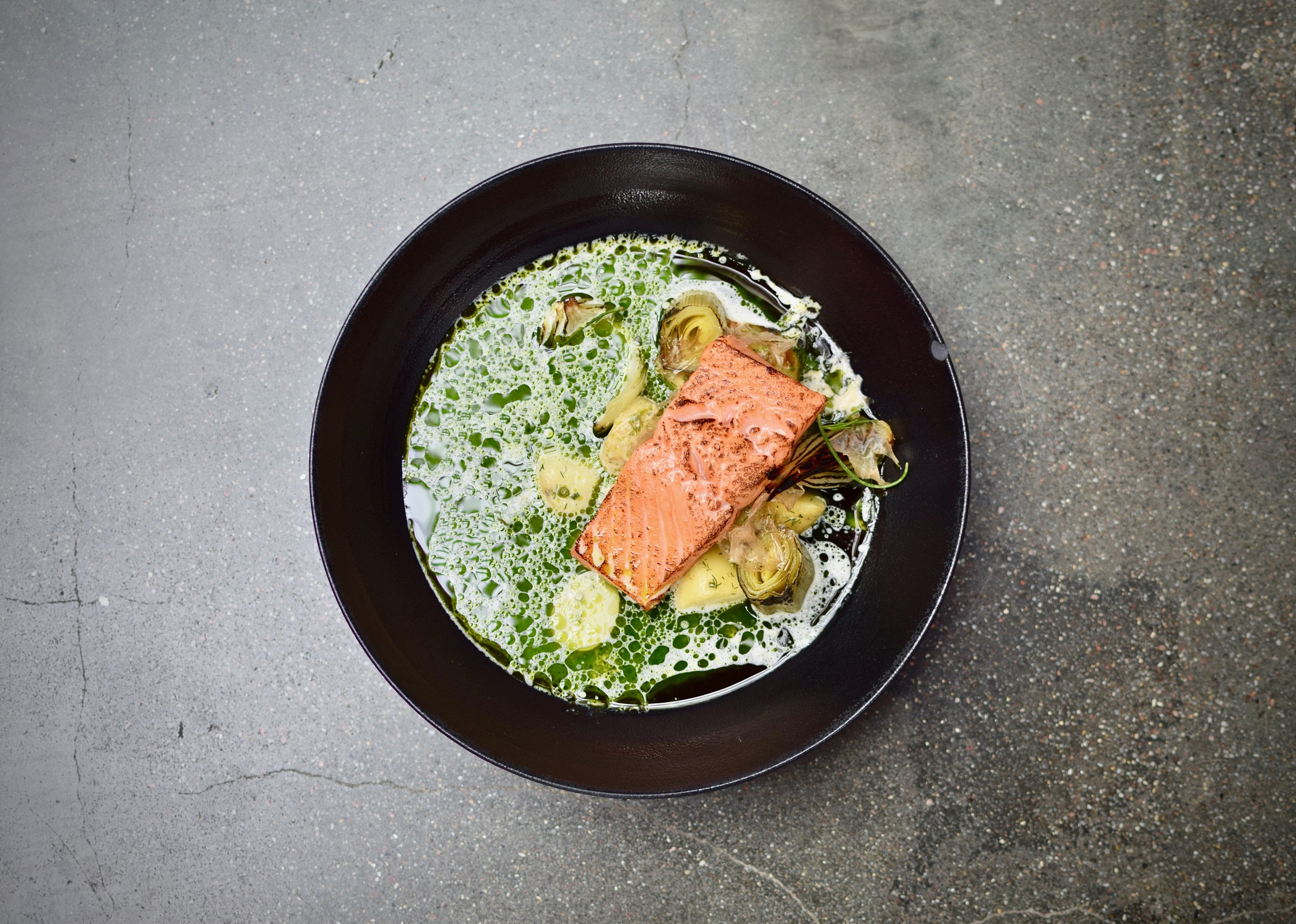
Lohikeitto, a creamy salmon soup with potatoes and dill, showcases Finland’s love for fresh fish. At Fisken på Disken, we offer our own celebrated version with smoky broth that has become one of our signature dishes. Reindeer dishes, particularly sautéed reindeer (poronkäristys) with lingonberries and mashed potatoes, provide a taste of Lapland’s culinary heritage.

Baltic herring prepared in various ways—pickled, fried, or as part of a traditional plate—represents Finland’s maritime culture. For those with a sweet tooth, cinnamon buns (korvapuusti) offer the perfect Finnish coffee companion, featuring cardamom-spiced dough and a generous dusting of sugar. These dishes connect visitors to centuries of Finnish culinary history and the country’s close relationship with its natural environment.

When is the best time to visit Helsinki for seasonal food specialties?

Finnish cuisine strongly reflects the changing seasons, offering different culinary highlights throughout the year. Summer (June-August) brings an abundance of berries and fresh vegetables, with local chefs crafting menus around wild strawberries, blueberries, and new potatoes. Many restaurants feature outdoor terraces where guests can enjoy the long daylight hours while sampling fresh, light dishes.

Autumn (September-November) heralds the mushroom season, when forests yield prized chanterelles and porcini. Restaurants incorporate these foraged treasures into hearty stews and delicate sauces. Game meats also feature prominently during autumn hunting season. Winter (December-February) brings warming comfort foods like traditional casseroles and thick soups that provide sustenance during the cold months.

Spring (March-May) celebrates renewal with early vegetables like asparagus and nettle appearing on menus. This season also sees the return of fresh fish varieties to restaurant offerings after the winter. At Fisken på Disken, we pride ourselves on adapting our menu to showcase the finest seasonal ingredients, ensuring guests experience authentic Finnish flavours at their peak.

How do I find affordable dining options in Helsinki?

Despite Helsinki’s reputation as an expensive city, savvy visitors can find excellent dining experiences at reasonable prices. Lunch specials offer particular value, with many restaurants (including Fisken på Disken) providing high-quality midday meals at significantly lower prices than evening service. These typically include bread and sometimes coffee, representing excellent value.

Helsinki’s market halls (kauppahalli) in locations like Hakaniemi and the Old Market Hall provide fresh, affordable meals in authentic surroundings. Modern food courts like Kortteli combine quality and value in casual settings. Street food events and seasonal markets throughout the year offer opportunities to taste local specialties at modest prices.

University cafeterias open to the public represent Helsinki’s best-kept secret for budget dining, with subsidized full meals available for reasonable prices. For self-catering options, supermarkets offer excellent Finnish products, allowing visitors to create their own picnics with local breads, cheeses, and smoked fish.

How can I make restaurant reservations in Helsinki during peak holiday seasons?

Securing dining reservations during Helsinki’s busy summer season and December holiday period requires advance planning. Popular establishments often fill up 2-4 weeks ahead during these peak times. For high-end restaurants or for Friday and Saturday evenings, booking 1-2 months in advance is advisable, especially for larger groups.

Finnish reservation platforms like TableOnline provide convenient online booking for many restaurants, while international platforms like TheFork also cover numerous Helsinki establishments. Many restaurants maintain their own online reservation systems through their websites. When preferred restaurants are fully booked, consider dining at off-peak hours—early dinners (before 6 PM) or later seatings (after 8:30 PM) often have better availability.

For spontaneous dining, many restaurants keep portions of their tables for walk-in guests. At Fisken på Disken, we welcome advance bookings through both phone and email, particularly for groups of eight or more, for whom we can create customized menu options upon request.

Your Helsinki dining adventure: Planning your culinary exploration

Your Helsinki dining adventure: Planning your culinary exploration begins with balancing fine dining experiences with casual meals to appreciate the full spectrum of the city’s food scene. Consider organizing your restaurant visits geographically, exploring different neighbourhoods each day to maximize efficiency and discover hidden gems along the way.

Research seasonal food events coinciding with your visit, such as Restaurant Day or various food festivals that showcase Finnish cuisine. Allow flexibility in your schedule to visit market halls during morning hours when they’re most vibrant and offerings are freshest. Consider one special seafood experience at a place like Fisken på Disken, where the freshest fish and shellfish highlight Finland’s connection to the Baltic Sea.

Advance planning remains essential for must-visit restaurants, but leave room for spontaneous discoveries. Helsinki’s compact size means outstanding dining options are never far away, making culinary exploration an accessible and rewarding part of any holiday itinerary.

Whether you’re seeking traditional Finnish flavours, innovative Nordic cuisine, or fresh seafood delicacies, Helsinki’s diverse restaurant scene offers memorable dining experiences that will become highlights of your Finnish holiday. Remember to embrace local dining customs—Finns appreciate punctuality for reservations and typically prefer peaceful dining atmospheres where conversations remain at a considerate volume.

Why is a seafood dinner a romantic option for a date?

Seafood creates an unmistakably intimate dining atmosphere that elevates any special evening with a loved one. The combination of exquisite flavors, luxurious presentation, and the interactive nature of many seafood dishes naturally fosters connection between dining partners. From the glistening freshness of oysters to the communal joy of sharing seafood platters, marine cuisine offers a unique balance of sophistication and sensory delight that naturally enhances romantic encounters.

Why is seafood considered a romantic food choice?

Seafood has long held a reputation as cuisine that kindles romantic feelings. This association stems from several factors, including its historical position as a luxury item. Throughout centuries, seafood—particularly items like oysters and lobster—remained exclusive to nobility and the wealthy, creating an enduring connection with special occasions and celebrations of love. This perception of indulgence and treat has persisted into modern dining culture.

Beyond its legacy of luxury, seafood’s reputation as an aphrodisiac adds to its romantic allure. Oysters, in particular, have been celebrated for centuries for their supposed passion-enhancing qualities. While modern science may debate these effects, the cultural association remains powerful in our collective imagination and dining traditions.

The preparation and presentation of seafood also contributes to its romantic reputation. Dishes are often served with remarkable attention to visual appeal—vibrant colors, delicate garnishes, and artistic arrangements that please the eye before the first bite is taken.

What makes a seafood restaurant ideal for a date night?

Seafood restaurants typically cultivate an atmosphere designed to enhance intimate conversations. The ambient lighting, often soft and warm, creates a cozy environment that encourages couples to focus on each other. At our restaurant, we’ve carefully designed the space to strike that perfect balance—sophisticated but never stuffy, intimate yet vibrant with energy.

The pacing of seafood dining naturally encourages lingering conversations. Many seafood experiences involve courses served at a measured pace, from starters like our butternut squash carpaccio or fresh oysters to shared main courses. This unhurried approach gives couples time to connect between bites and sips of wine.

Additionally, the specialized knowledge of seafood restaurant staff adds to the experience. Our team can guide couples through menu options, suggest perfect wine pairings from our extensive selection, and create memorable moments through attentive but unobtrusive service. This expertise allows couples to relax and focus on each other rather than navigating unfamiliar culinary territory alone.

Which seafood dishes are best for sharing on a romantic date?

The most romantic seafood experiences often involve dishes designed for two. Seafood platters featuring a variety of items create a shared adventure, allowing couples to explore different flavors together. A beautifully arranged assortment of oysters, shrimp, and other delicacies creates both a feast for the eyes and a journey of discovery.

Interactive dishes that require some participation from diners naturally create moments of connection. Our Pot au feu, featuring saffron lobster broth with cod, octopus, giant tiger prawns, and vegetables, exemplifies this perfect sharing experience—couples can enjoy selecting morsels for each other while engaging in conversation.

For those looking to impress, our Surf & Turf option combines giant tiger prawns with tender beef entrecôte, offering the best of both worlds for couples with different preferences. Shared sides like roasted garlic bread and pan-fried vegetables complete these communal dining experiences.

How does seafood enhance the sensory experience of a date?

Seafood creates a multi-sensory experience that heightens romantic encounters. Visually, dishes like our carefully arranged perch with cabbage and dill or colorful Fisken skagen with lobster mayo and roe offer stunning presentations that signal the special nature of the occasion before the first taste.

The aromas of seafood—from the briny freshness of oysters to the rich, complex scents of our salmon soup with smoky broth—create an immersive atmosphere. These distinctive scents become part of the memory of the evening, creating powerful associations that couples can recall long after.

The distinctive textures found in seafood dishes—from the delicate flakiness of perfectly cooked cod to the firm bite of grilled octopus—provide varied tactile experiences throughout the meal. This variety keeps the dining experience interesting and engaging, perfect for maintaining the lively energy of a romantic evening.

Are there cultural traditions linking seafood to romance?

Many cultures around the world have developed traditions connecting seafood with romantic occasions. In Mediterranean countries, sharing seafood paella or grilled fish has long been associated with celebrations of love and courtship rituals. The tradition of serving seafood on Valentine’s Day has become nearly universal in Western culture.

Japanese culture celebrates romantic occasions with beautifully arranged sushi and sashimi, where the presentation is considered equally important to the taste. The careful selection of the freshest ingredients symbolizes the care and attention partners give to each other.

In Nordic tradition, which influences our cooking philosophy at Fisken på Disken, seafood has always represented something special—a connection to the natural bounty of the seas that surround us. The freshness and seasonal approach respects both tradition and innovation, creating memorable experiences for couples exploring these flavors together.

Essential seafood dining insights for a successful romantic evening

Essential seafood dining insights for a successful romantic evening include selecting the right ambiance for your particular relationship dynamic. Whether you prefer the elegance of our main dining area or the more casual intimacy of our seafood bar, the setting should reflect your unique connection.

When navigating the menu, consider balancing familiar favorites with new adventures. Our staff can guide you toward combinations that complement each other, whether you’re seafood aficionados or relatively new to these flavors. Don’t hesitate to ask for recommendations based on your preferences.

Timing matters for romantic seafood dining. Consider making a reservation that allows ample time to enjoy the experience without rushing. At Fisken på Disken, we encourage guests to savor their time together, perhaps beginning with champagne and oysters before moving unhurriedly through their chosen courses.

The perfect ending to your seafood date might include sharing one of our seasonal desserts, like our pumpkin pie with sea buckthorn and caramel or house-made ice cream, creating a sweet conclusion to your romantic seafood journey.

Whether celebrating an anniversary, planning a first date, or simply enjoying each other’s company on an ordinary evening made special, a thoughtfully selected seafood dinner creates the perfect backdrop for romance to flourish. The combination of extraordinary flavors, attentive service, and an atmosphere designed for connection ensures that your evening will be remembered long after the last bite is savored.

What wine pairs well with oysters?

The perfect wine for fresh oysters emphasizes their delicate briny flavors rather than overwhelming them. High-acidity white wines, particularly those with mineral qualities like Muscadet, Chablis, and Sauvignon Blanc, complement oysters brilliantly by enhancing their natural saltiness and creating a harmonious taste experience. Champagne and other sparkling wines also pair exceptionally well, as their effervescence cleanses the palate while their crisp acidity balances the oyster’s richness.

What wine pairs well with oysters?

Oysters call for wines that enhance rather than compete with their delicate, briny profile. High-acidity white wines with mineral characteristics create the ideal match. The bright acidity cuts through the richness of the oyster while complementing its natural salinity. This pairing principle explains why wines like Muscadet from Loire Valley, bone-dry Chablis, and crisp Sauvignon Blanc have become classic companions to oyster platters.

The mineral qualities in these wines mirror the oceanic characteristics of oysters, creating a harmonious taste experience that enhances both components. At our seafood bar at Fisken på Disken, we recommend options like La Mariniere Muscadet Sur Lie with its green apple and citrus notes or Garnier Fils Chablis with its lively lemon peel character when enjoying our fresh oyster selection.

Why do champagne and oysters pair so well together?

Champagne and oysters represent one of gastronomy’s most celebrated pairings, with good reason. The effervescence of champagne provides a cleansing effect that refreshes the palate between each briny oyster. Meanwhile, champagne’s high acidity and mineral undertones create a seamless extension of the oyster’s natural flavor profile, enhancing rather than masking its delicate taste.

This classic pairing also has historical significance, dating back centuries when both items were considered luxury foods reserved for special occasions. The textural contrast between crisp, bubbly champagne and the smooth, creamy texture of oysters creates a sensory experience that heightens both elements. We often recommend our Autreau Champagne La Chouette with its elegant crispiness and citrus notes to complement the fresh oysters we serve daily at our seafood bar.

Which white wines work best with oysters?

Several white wine varieties stand out as exceptional matches for oysters, each bringing unique qualities to the pairing. Muscadet from Loire Valley is perhaps the quintessential oyster wine, with its lean profile, crisp acidity, and subtle salinity that mirrors the oyster’s own characteristics. Chablis, with its flinty minerality and citrus notes, enhances the briny qualities of fresh oysters beautifully.

Sauvignon Blanc, particularly from cool-climate regions, offers herbaceous notes and bright acidity that complement oysters wonderfully. Sancerre, a Sauvignon Blanc from the Loire Valley, is especially renowned for its affinity with oysters due to its pronounced mineral character. We often recommend our Roger Champault Sancerre when guests order our oyster platters, as its fresh acidity and hint of blackcurrant create a beautiful harmony with the seafood.

Other excellent choices include Albariño from Spain, Picpoul de Pinet from southern France, and high-quality Pinot Grigio, all of which offer the requisite acidity and mineral characteristics that make oysters shine.

How do different oyster varieties affect wine pairing?

Just as wines have terroir, oysters develop distinct flavor profiles based on their growing environment. Pacific oysters typically exhibit sweeter, fruitier notes with cucumber or melon characteristics, pairing beautifully with slightly aromatic whites like Albariño or a crisp Riesling. Atlantic oysters (including European flats) generally present more mineral and metallic qualities that shine with Muscadet or Chablis.

Kumamoto oysters, known for their sweet, nutty flavor with a honeydew finish, match wonderfully with light-bodied, aromatic whites like Pinot Grigio. Belon oysters, with their intense mineral and metallic character, demand wines with pronounced acidity and mineral qualities like a bone-dry Chablis.

Understanding these variations allows for more nuanced pairings. At our restaurant, we consider both the oyster variety and the wine’s characteristics when making pairing suggestions, ensuring our guests experience the perfect harmony of flavors.

Can you pair red wine with oysters?

Traditionally, red wines are avoided with oysters due to their tannins, which can create metallic or bitter flavors when combined with the briny minerals in oysters. The high iron content in oysters reacts chemically with tannins in red wine, producing an unpleasant, almost fishy taste that diminishes both the wine and the oyster.

However, there are rare exceptions to this rule. Extremely light-bodied reds with minimal tannins and bright acidity might work in specific circumstances. For example, a very light Pinot Noir like our X Berg Pinot Noir with its raspberry and red currant notes might be acceptable with grilled or cooked oysters that have additional flavoring components.

Generally, though, we recommend steering clear of red wines with fresh oysters and sticking with the tried-and-tested white and sparkling options that enhance rather than detract from the delicate oyster experience.

What non-wine beverages pair well with oysters?

While wine provides classic pairings for oysters, several other beverages can complement these briny delicacies beautifully. Stout beer, particularly dry Irish stouts, offers a surprisingly excellent match. The roasted, coffee-like bitterness and creamy texture of stout creates a pleasing contrast with the briny, mineral qualities of oysters.

Sake, especially drier varieties, provides a clean, subtle accompaniment that allows the oyster’s natural flavors to shine. The subtle rice notes and gentle umami characteristics complement rather than compete with seafood.

For non-alcoholic options, sparkling water with a squeeze of lemon serves as a palate cleanser between oysters. Cucumber water or a light ginger beer can also provide refreshing contrasts to the brininess of fresh oysters.

Essential oyster and wine pairing insights to remember

When pairing wines with oysters, remember that acidity is your ally. The higher the acidity in your wine, the better it will generally complement the briny character of oysters. Mineral notes in wine create a natural bridge to the oceanic qualities of oysters, enhancing the overall tasting experience.

Consider both the preparation method and regionality. Raw oysters benefit from different pairings than grilled or cooked preparations. Similarly, understanding where your oysters come from can guide you toward more harmonious wine selections.

Don’t be afraid to experiment within the guidelines. While classic pairings exist for good reason, personal preference matters. At Fisken på Disken, we encourage our guests to try different combinations and discover their own perfect pairings from our carefully curated wine selection and fresh oyster offerings.

Whether you prefer the classic elegance of champagne or the crisp precision of a Muscadet with your oysters, the key is finding harmony between the delicate flavors of the sea and what’s in your glass.

Where can you eat fresh oysters in Helsinki?

Helsinki’s culinary scene offers several options for seafood enthusiasts seeking fresh oysters. The Finnish capital features specialized seafood restaurants, fish markets, and dedicated oyster bars where patrons can enjoy this delicacy. Located primarily in the central districts and waterfront areas, these establishments typically source both local Nordic varieties and imported oysters, serving them in traditional and innovative preparations alongside complementary beverages like champagne or white wine.

Where can you eat fresh oysters in Helsinki?

The heart of Helsinki offers several establishments where oyster enthusiasts can indulge in their favourite delicacy. Located in the vibrant Kortteli area of Kamppi shopping centre, our seafood bar at Fisken på Disken specializes in fresh oysters, making it a prime destination for seafood lovers. The central districts of Helsinki, particularly around the harbour areas, have embraced the growing appreciation for fine seafood, including oysters. The dining scene has evolved to include both traditional and contemporary approaches to serving these oceanic treasures.

While seafood has long been integral to Finnish cuisine, dedicated oyster bars represent a more recent and sophisticated addition to Helsinki’s food culture. These establishments typically feature knowledgeable staff who can guide guests through their selection, offering insights into taste profiles and origins of different varieties.

What types of oysters are commonly available in Helsinki restaurants?

Helsinki restaurants typically offer a diverse selection of oyster varieties, catering to different taste preferences. European flat oysters (Ostrea edulis), sometimes called ‘Belons’, are prized for their intense, metallic flavour and are often found in higher-end establishments. Pacific oysters (Crassostrea gigas), known for their sweeter, creamier profile, represent another popular option widely available across the city.

Some restaurants may occasionally feature Nordic varieties when in season, though these tend to be more limited in availability. The selection typically varies based on seasonal factors and import conditions, with establishments like our seafood bar at Fisken på Disken prioritizing freshness and quality in their offerings.

For newcomers to oysters, many Helsinki restaurants offer helpful guidance on the flavour profiles of different varieties, allowing diners to explore from mild, beginner-friendly options to more robust, intense varieties that appeal to experienced oyster enthusiasts.

How much do fresh oysters typically cost in Helsinki?

Fresh oysters in Helsinki generally fall into premium price categories, reflecting their status as a luxury item and the costs associated with importing and maintaining quality. At most seafood establishments in the city centre, oysters are often priced per piece rather than by the dozen, allowing diners to sample different varieties. At Fisken på Disken, for example, three fresh oysters with lemon and buttermilk sauce are available for 14€ as part of our offering.

Several factors influence oyster pricing throughout Helsinki, including:

  • Origin and transportation costs
  • Seasonality and availability
  • Quality and reputation of the specific variety
  • Restaurant category and location

Many establishments offer oysters in smaller quantities, making this delicacy more accessible to those wanting to enjoy them as part of a broader dining experience rather than as a main focus.

When is oyster season in Finland?

While the traditional adage suggests only consuming oysters during months containing the letter ‘r’ (September through April), modern refrigeration and farming practices have somewhat relaxed this seasonal restriction. Nevertheless, many Helsinki restaurants still observe certain seasonal patterns that affect the quality and variety of oysters available.

The cooler months generally provide the best oyster experiences in Helsinki. During autumn and winter, oysters typically develop richer flavours and firmer textures, which many connoisseurs consider superior. Spring can also offer excellent oysters before the summer spawning season begins.

At Fisken på Disken, we maintain a year-round offering of fresh oysters, carefully selecting the best available varieties regardless of season. However, even with modern techniques, certain varieties may become temporarily unavailable or change in character throughout the year, adding an element of seasonal discovery to the oyster experience.

Are there any oyster happy hours or special deals in Helsinki?

The concept of oyster happy hours has gained popularity in Helsinki’s seafood establishments, offering a more accessible entry point to enjoying this delicacy. These special promotions typically feature reduced prices on selected oyster varieties during specific hours, usually during early evening or quieter business periods. Some establishments combine these offers with complementary drink specials, particularly on champagne or white wine pairings.

At Fisken på Disken, we welcome guests to stop by after work at our wine bar for a glass of champagne and oysters, providing a perfect opportunity to enjoy this classic pairing in a relaxed setting. Beyond formal happy hours, seasonal promotions may appear throughout the year, particularly around holidays or special events.

For those seeking the best value, weekday evenings often present the most opportunities for special oyster promotions across Helsinki’s seafood scene.

Your essential guide to enjoying oysters in Helsinki

Your essential guide to enjoying oysters in Helsinki begins with understanding that freshness is paramount. When visiting oyster-serving establishments, observing how they store and handle their oysters provides clues about quality. Properly maintained oysters should be displayed on ice, with shells tightly closed or closing when tapped, indicating they’re alive and fresh.

Don’t hesitate to ask questions about the oyster’s origin and characteristics – knowledgeable staff at quality establishments like Fisken på Disken are typically eager to share information about their offerings. Consider starting with milder varieties if you’re new to oysters, gradually exploring more complex flavours as your palate develops.

Pairing is another essential aspect of the oyster experience. While champagne represents the classic companion, dry white wines and certain beers can also complement oysters beautifully. Some Helsinki establishments offer curated pairing suggestions to enhance your tasting experience.

For the most authentic experience, consider enjoying your oysters simply with a squeeze of lemon or a light mignonette sauce rather than overwhelming the delicate flavours with heavy condiments.

Whether you’re a seasoned oyster enthusiast or curious first-timer, Helsinki’s seafood scene offers plenty of opportunities to discover the fascinating world of fresh oysters in sophisticated yet accessible settings.

How to choose the right restaurant for a first date?

Selecting an ideal dining venue for an initial romantic encounter requires thoughtful consideration of several key factors. The right restaurant creates a comfortable atmosphere for conversation while offering excellent cuisine that both parties can enjoy. Finding a balance between ambiance, noise level, accessibility, and culinary options significantly impacts the success of this important first meeting. A well-chosen venue demonstrates thoughtfulness and consideration, setting the stage for meaningful connection without unnecessary distractions or complications.

How to choose the right restaurant for a first date?

When planning a first romantic outing, restaurant selection deserves careful consideration as it forms the backdrop for your initial in-person connection. The ideal venue should balance atmosphere, cuisine quality, noise level, and practicality. Look for establishments that encourage conversation through appropriate seating arrangements and background noise management. Consider location convenience for both parties and ensure the menu accommodates various preferences and potential dietary restrictions. Most importantly, choose a place that allows both individuals to feel comfortable and engaged throughout the experience.

What type of restaurant atmosphere is best for a first date?

The ideal restaurant atmosphere for a first date strikes a delicate balance between intimacy and casual comfort. Environments with moderate lighting—bright enough to see each other clearly but dim enough to create warmth—typically work best. Noise level is particularly crucial; a restaurant too loud forces strained conversation, while complete silence might create awkward pressure during natural pauses.

Seating arrangements significantly influence interaction quality. Tables positioned too close together may feel intrusive, while excessive distance makes connection difficult. The best venues offer semi-private seating that allows for comfortable conversation without feeling isolated. Consider how table size affects intimacy—oversized tables create unnecessary physical distance, while appropriately sized ones facilitate better connection.

Restaurant layout also matters. Spaces with thoughtful design elements like partial room dividers, appropriate table spacing, and acoustic considerations enhance the experience. These subtle environmental factors collectively create a setting where conversation flows naturally and both parties can focus on getting to know each other rather than struggling against environmental distractions.

Should you pick an expensive restaurant for a first date?

Price consideration deserves careful attention when selecting a first date restaurant. Choosing an overly expensive venue can potentially create uncomfortable expectations or pressure for both parties. Conversely, selecting something too casual might suggest insufficient effort or investment in the encounter. The best approach typically involves finding a middle ground that prioritizes quality and experience over price point alone.

Value perception varies significantly between individuals based on personal circumstances, expectations, and cultural backgrounds. Rather than focusing on absolute cost, consider what the restaurant offers in terms of experience—attentive service, quality ingredients, and thoughtful presentation often matter more than price tag alone. Many mid-range restaurants deliver exceptional experiences through their attention to detail and distinctive atmosphere.

The underlying psychology of spending choices on first dates often reveals more about personal values than financial capacity. Selecting a restaurant that represents authentic personal taste rather than attempting to impress through extravagance typically creates a more genuine foundation for connection. A thoughtfully chosen venue that aligns with both individuals’ comfort levels demonstrates consideration that expensive establishments alone cannot provide.

How important is restaurant location for a first date?

Restaurant location significantly impacts the overall first date experience in several practical ways. Ideal venues offer convenience for both parties rather than requiring one person to travel extensively. Consider accessibility via public transportation, parking availability, and overall travel logistics when making your selection.

Neighborhood safety and ambiance contribute substantially to comfort levels, particularly during evening dates. Well-lit areas with pedestrian activity generally create a more welcoming environment than isolated locations. Additionally, venues positioned near complementary activities—parks, cultural attractions, or casual walking areas—provide natural opportunities to extend enjoyable dates beyond the meal itself.

Transportation considerations deserve particular attention, especially when alcohol consumption may be involved. Restaurants accessible by reliable transportation options ensure both parties can return home safely regardless of how the evening unfolds. This practical concern demonstrates thoughtfulness and responsibility that enhances overall date experience.

What should you consider about food preferences before choosing a restaurant?

Addressing food preferences and dietary requirements before selecting a restaurant shows considerable thoughtfulness. Directly asking about any allergies, restrictions, or strong preferences demonstrates attentiveness and prevents potentially uncomfortable situations during the meal. Look for restaurants with diverse menu options that can accommodate various dietary needs without drawing undue attention to restrictions.

When specific dietary considerations exist, researching menus in advance helps identify restaurants offering suitable options that don’t feel like compromises. The best venues provide satisfying alternatives for vegetarian, vegan, gluten-free, or other dietary requirements as standard offerings rather than afterthoughts. This approach ensures both parties can enjoy their meals without anxiety.

Cultural cuisine consideration adds another dimension to restaurant selection. Choosing excessively unfamiliar cuisines might create unnecessary challenges during an already potentially nervous occasion. Alternatively, selecting food with shared flavour profiles or restaurants offering a range of options allows both individuals to find comfortable choices while still creating opportunities for culinary exploration together.

Is it better to choose a familiar restaurant or try somewhere new for a first date?

Selecting between familiar and new restaurants presents distinct advantages for first date scenarios. A familiar venue offers predictability—you understand the menu, service quality, noise levels, and overall atmosphere, which can reduce anxiety and allow greater focus on your companion. This familiarity provides a confidence boost that may enhance your natural conversational abilities.

Conversely, exploring a new restaurant together creates a shared experience of discovery. The novelty generates natural conversation topics as you discuss menu options, interior design, or unexpected elements of the experience. This shared exploration establishes a sense of adventure and creates memorable moments unique to your relationship’s beginning.

The optimal choice often depends on individual personality factors and comfort with uncertainty. For those who experience significant first-date anxiety, the familiarity advantage may outweigh exploration benefits. For more adventurous personalities, a new venue might better showcase spontaneity and openness. The most important factor remains selecting an environment where both individuals can relax enough to engage meaningfully with each other.

Essential restaurant selection insights for dating success

Essential restaurant selection insights for dating success extend beyond simple venue preferences to encompass a holistic approach to creating memorable dining experiences. When thoughtfully considering all elements—from atmosphere and price to location and cuisine—your restaurant choice demonstrates attentiveness that resonates beyond the meal itself.

Remember that restaurant selection ultimately serves one primary purpose: creating an environment conducive to meaningful conversation and connection. The ideal venue removes potential obstacles rather than creating them, allowing natural chemistry to develop without environmental interference. This perspective helps prioritize practical considerations that enhance comfort over impressive but potentially uncomfortable choices.

For those seeking distinctive dining experiences in Helsinki, establishments like Fisken på Disken exemplify how thoughtfully designed restaurant environments can enhance interpersonal connections. With their welcoming atmosphere and dedication to exceptional ingredients, such venues understand how the right setting contributes to meaningful shared experiences—the ultimate goal of any successful first date dining experience.

How are oysters prepared in a restaurant?

Restaurant oyster preparation is a meticulous process that combines skill, attention to detail, and food safety protocols. Professional kitchens begin by carefully selecting and inspecting fresh oysters, then clean the shells thoroughly to remove debris. Skilled chefs use specialized shucking knives to open oysters while preserving the precious liquor inside. Once prepared, oysters are arranged attractively on ice, often accompanied by traditional garnishes like mignonette sauce, lemon wedges, or hot sauce.

How are oysters prepared in a restaurant?

The journey of an oyster from sea to plate involves several careful steps. Restaurants first inspect each oyster for quality, discarding any with broken shells or those that don’t close when tapped. The exterior shells are then scrubbed clean to remove sand, barnacles, and debris. Professional kitchens maintain separate preparation areas for raw seafood to prevent cross-contamination.

Once cleaned, a skilled chef uses a specialized oyster knife to open the shell at the hinge. This delicate process requires both strength and precision to avoid spilling the flavorful liquid inside (known as the liquor) or damaging the oyster meat. After opening, chefs inspect each oyster for quality and separate the meat from the upper shell while leaving it attached to the deeper half-shell.

Properly prepared oysters are immediately arranged for service, typically nestled in ice to maintain freshness and optimal temperature. At Fisken på Disken, our seafood bar always features fresh oysters prepared with meticulous attention to detail, ensuring guests enjoy the finest seafood experience in Helsinki.

Are restaurant oysters served raw or cooked?

Restaurants typically serve oysters both raw and cooked, with raw presentations showcasing the oyster’s natural briny flavors and delicate texture. Raw oysters are served “on the half shell” – freshly shucked and presented in their deeper bottom shell. This classic presentation allows diners to appreciate the oyster’s natural liquor and distinct flavor profile, which varies depending on the species and harvest location.

Cooked preparations transform oysters through various methods that enhance or complement their natural taste. Popular cooking techniques include broiling, baking, grilling, and deep-frying. Each method creates a different texture and flavor profile – cooking firms up the oyster meat and often introduces complementary flavors through sauces, breadings, or smoke.

Many seafood restaurants offer both options to cater to different preferences. Raw oysters appeal to purists seeking the authentic ocean taste, while cooked versions often serve as a more approachable introduction for those new to oyster consumption.

How do restaurants shuck oysters safely?

Professional oyster shucking is a skill that combines proper technique, specialized tools, and safety precautions. Trained restaurant staff use dedicated oyster knives with short, sturdy blades and textured handles for a secure grip. Cut-resistant gloves or thick kitchen towels protect the holding hand while applying controlled pressure to the hinge.

The proper technique involves inserting the knife tip at the oyster’s hinge (the pointed end), applying firm pressure with a twisting motion to pop the hinge, then carefully running the blade along the inside of the upper shell to sever the adductor muscle without tearing the oyster meat. This technique preserves the oyster’s liquor and presentation quality.

Restaurants maintain strict hygiene protocols during shucking, including designated preparation areas, regular sanitation of tools, and proper handwashing procedures. Staff training emphasizes both safety and efficiency – professional shuckers develop the muscle memory to open dozens of oysters quickly while minimizing risk of injury.

What accompaniments are typically served with oysters?

The classic accompaniments for oysters enhance their natural flavors without overpowering their delicate taste. Mignonette sauce – a simple preparation of minced shallots, vinegar, and black pepper – is perhaps the most traditional garnish, providing acidity that brightens the oyster’s flavor. Fresh lemon wedges offer a similar acidic counterpoint, while horseradish and hot sauce appeal to those seeking a spicier contrast.

Modern restaurants often expand beyond these classics with creative variations. These might include cucumber mignonette, champagne granita, ponzu sauce, yuzu emulsions, or flavored vinegars. Restaurants sometimes pair specific garnishes with particular oyster varieties to complement their unique characteristics.

At Fisken på Disken, our oysters are served with classic accompaniments like lemon and buttermilk sauce, allowing the natural quality of the oysters to shine while providing complementary flavor options for our guests.

How do restaurants ensure oysters are fresh and safe to eat?

Quality control for restaurant oysters begins with reliable sourcing from certified suppliers who harvest from clean, regulated waters. Upon delivery, professional kitchens inspect oysters carefully, accepting only those with tightly closed shells (or those that close when tapped) – a sign they’re alive and fresh. Restaurants store oysters at carefully controlled temperatures, typically 4-7°C (39-45°F), and use or serve them within days of arrival.

Proper handling practices are essential throughout the preparation process. Staff wash hands thoroughly before handling oysters, use separate preparation areas and utensils for raw seafood, and maintain spotless work surfaces. Many restaurants also maintain detailed records of oyster shipments, including harvest dates and locations, enabling traceability in the rare event of food safety concerns.

Professional kitchens follow strict protocols regarding temperature control, with raw oysters kept chilled until the moment they’re served. This comprehensive approach to quality control ensures both safety and optimal flavor for restaurant guests.

What are the different ways restaurants cook oysters?

Restaurants prepare cooked oysters using several classic methods, each creating distinctive flavors and textures. Oysters Rockefeller features oysters topped with a rich mixture of herbs (traditionally spinach, parsley, and green onions), breadcrumbs, and butter, then baked or broiled until golden. Grilled oysters might be prepared with compound butter, herbs, cheese, or breadcrumbs that bubble and brown over direct heat.

Deep-fried oysters typically involve breading or battering shucked oysters before cooking them in hot oil until golden and crisp outside while remaining tender inside. These are often served with dipping sauces like remoulade or aioli. Poached or steamed oysters appear in soups, stews, or pan roasts, where they’re gently cooked in aromatic liquid until just firm.

Each cooking technique transforms the oyster’s texture and flavor profile in different ways, from the delicate poach that preserves much of the oyster’s natural character to more assertive methods like grilling that introduce smoky notes and complementary ingredients.

Essential oyster preparation insights to remember

Essential oyster preparation insights to remember include understanding that the freshest oysters are the foundation of exceptional quality. Professional kitchens recognize that oysters are living creatures until shucked and handle them accordingly, keeping them cool but not freezing them, which would kill the oyster and accelerate deterioration.

Seasonality plays an important role in oyster quality, with many varieties at their peak during colder months (following the traditional wisdom of months containing the letter ‘r’). However, modern aquaculture has made excellent oysters available year-round from properly managed farming operations.

Proper presentation enhances the dining experience – served on ice to maintain temperature, arranged thoughtfully, and accompanied by appropriate garnishes. At Fisken på Disken, we believe that serving exceptional seafood begins with selecting the finest ingredients and handling them with respect throughout preparation. Our seafood bar showcases this philosophy, offering fresh oysters that deliver the authentic flavors of the sea.

Whether enjoying oysters raw on the half-shell or in a beautifully cooked preparation, understanding these fundamentals helps appreciate the care and expertise that goes into professional oyster service. The next time you visit a quality seafood restaurant, you’ll have a deeper appreciation for the craft behind each perfectly presented oyster.

Which seafood restaurant in Helsinki is the most romantic?

Helsinki’s seafood dining scene offers couples plenty of enchanting options for intimate evenings. The most captivating seafood venues combine waterfront settings, soft lighting, and exceptional cuisine to create the perfect atmosphere for romance. From harbor-adjacent establishments to cozy downtown gems, Helsinki’s finest seafood restaurants elevate date nights with fresh, expertly prepared dishes and impeccable service that makes you feel like the only couple in the room. The ambiance of these establishments captures Finland’s unique blend of Nordic elegance and maritime heritage.

Which seafood restaurant in Helsinki is the most romantic?

The most alluring seafood dining spots in Helsinki share certain qualities that elevate an ordinary meal to a romantic experience. Rather than ranking establishments, it’s more helpful to understand what creates that magical ambiance: attentive but unobtrusive service, intimate seating arrangements, stunning views (particularly of water), and the freshest seafood prepared with skill and artistry. At the heart of Helsinki, nestled in Kortteli, our restaurant combines these elements with both classic and modern culinary approaches, offering a genuine seafood experience in an intimate setting.

What creates a romantic ambiance in Helsinki seafood restaurants?

The perfect romantic atmosphere in Helsinki’s seafood establishments arises from a careful orchestration of several elements. Soft, ambient lighting creates intimacy, while thoughtfully spaced tables ensure private conversations. The gentle murmur of satisfied diners provides just enough background noise without disruption. Architectural features like exposed brick, warm woods, or panoramic windows framing harbor views contribute significantly to the mood.

The finest romantic establishments pay attention to details like subtle music selections that enhance rather than dominate, elegant yet understated table settings, and service that anticipates needs without hovering. Many Helsinki seafood venues incorporate elements of Finnish design – clean lines, natural materials, and candles that create that uniquely Nordic cozy feeling known as “tunnelma” that’s perfect for intimate dining.

How does location affect the romance factor of Helsinki seafood restaurants?

Location plays a crucial role in creating a romantic seafood dining experience in Helsinki. Waterfront restaurants along the Baltic coastline offer breathtaking sea views, especially during sunset, when the golden light transforms the harbor into a canvas of colors. Historical district venues housed in centuries-old buildings provide a sense of timeless elegance with their stone walls and intimate nooks.

Downtown establishments like ours in Kortteli combine convenience with urban sophistication, offering respite from the city bustle with elevated views. Island restaurants, accessible by short ferry rides, add adventure to the romantic experience – the journey itself becomes part of the memory. Winter dining in Helsinki has its own magic, with snow-covered vistas and warm, candlelit interiors creating a distinctly Finnish romantic ambiance that visitors find uniquely enchanting.

What are the best times to visit romantic seafood restaurants in Helsinki?

For the most romantic seafood dining experiences in Helsinki, timing is everything. Summer evenings between 7-9 PM offer magical experiences with extended daylight, especially during the “white nights” of June and early July when the golden sunset glow can last for hours. Winter dinners around 6 PM provide a different charm, with the contrast between cozy interiors and the snowy darkness outside creating intimate cocoons.

Weekdays typically offer more quiet, attentive service than bustling weekends. For special celebrations, booking about two weeks in advance ensures securing those coveted window tables or private corners. Seasonal considerations matter too – summer brings abundant local fish varieties like perch and rainbow trout, while autumn showcases heartier seafood preparations perfect for sharing on cooler evenings. At our restaurant, we’re open Monday through Saturday, with dinner service continuing until 10 PM, allowing couples to enjoy leisurely romantic meals.

How do prices compare among romantic seafood restaurants in Helsinki?

Helsinki’s romantic seafood restaurants generally fall into three price categories. Premium waterfront establishments and fine-dining venues typically offer multi-course experiences ranging from €50-100 per person before drinks, featuring luxurious items like fresh oysters, lobster, and premium fish cuts. Mid-range options, including many of Helsinki’s most beloved seafood spots, offer excellent quality at €30-50 per person with satisfying mains like our famous salmon soup or perfectly prepared cod fillets.

Value-conscious couples can still enjoy romantic seafood dining at casual-elegant establishments where high-quality fish dishes might range from €20-30. What determines pricing often includes factors beyond just location: sourcing practices (local vs. imported), preparation complexity, and seasonal availability all influence menu prices. Many restaurants offer excellent value through carefully crafted set menus or early evening dining options that combine romance with accessibility.

What seafood specialties should couples try when dining romantically in Helsinki?

Helsinki’s romantic seafood scene showcases several distinctive dishes that are perfect for sharing with your partner. Fresh oysters served with traditional accompaniments make for an intimate and indulgent starter. Traditional salmon soup (lohikeitto) offers a warming, aromatic experience that connects couples to Finnish culinary heritage while providing comfort with its rich, dill-infused broth.

For main courses, shared platters featuring an assortment of Baltic fish preparations allow couples to taste multiple flavors together. Pot au feu with saffron-lobster broth combines Nordic and French influences in a dish that’s both elegant and satisfying. During summer months, crayfish (when in season) create a memorable, hands-on dining experience that breaks the ice and creates shared moments. Finish with locally-inspired desserts featuring Finnish berries like sea buckthorn for a sweet conclusion that highlights Nordic flavors. At our seafood bar, we always offer fresh oysters and other delicacies depending on seasonal availability.

Making the most of your romantic seafood dining experience in Helsinki

Making the most of your romantic seafood dining experience in Helsinki begins with thoughtful planning. Book your reservation in advance, especially for weekend evenings or during summer months when the best tables are in high demand. Don’t hesitate to mention any special occasions when making your booking – many establishments including ours will help commemorate birthdays or anniversaries with thoughtful touches.

Consider requesting a specific table when possible – window seating or more private corners can enhance the experience significantly. Complement your meal with a pre-dinner stroll along Helsinki’s beautiful waterfront or through the design district to build anticipation. After dinner, extend the evening with a nightcap at a nearby cocktail bar or a gentle harbor walk under the stars or northern lights if you’re visiting in winter.

For the ultimate experience, be open to the recommendations of your server – our staff are knowledgeable about perfect wine pairings and can guide you to seasonal specialties that might not be your usual choice but could become a new shared favorite. Remember that the most romantic meals happen when you’re fully present, so consider putting phones away to focus entirely on the food, atmosphere, and most importantly, your companion.

What to do on a rainy day while on vacation in Helsinki?

Helsinki offers numerous indoor activities for visitors when rain disrupts outdoor plans. The Finnish capital shines with world-class museums, vibrant indoor markets, cultural venues, and cozy cafés perfect for weathering stormy days. From contemporary art exhibits to traditional Finnish experiences like public saunas, the city provides ample opportunities to immerse yourself in local culture while staying dry. Many attractions are centrally located, making it easy to navigate between them even in inclement weather.

What to do on a rainy day while on vacation in Helsinki?

Helsinki’s compact city center houses numerous weather-proof attractions that allow visitors to experience Finnish culture regardless of rainfall. Museums, galleries, shopping centers, and cultural venues are all within walking distance or a short tram ride from one another. The city’s efficient public transportation system makes hopping between indoor attractions simple, with most major venues connected by covered walkways from nearby tram stops.

The design district offers boutique shops showcasing Finnish craftsmanship, while the city’s numerous libraries (including the architectural marvel Oodi Central Library) provide peaceful retreats. For food enthusiasts, Helsinki’s culinary scene thrives regardless of weather, with the Kamppi shopping center’s top floor housing several excellent restaurants, including our own seafood haven where fresh oysters and fish specialties await.

Which museums in Helsinki are best to visit on a rainy day?

Helsinki boasts an impressive collection of museums that provide perfect sanctuaries during rainy weather. The Ateneum Art Museum houses Finland’s largest collection of classical art, featuring works by national treasures like Akseli Gallen-Kallela alongside international masterpieces. Nearby, Kiasma Museum of Contemporary Art offers thought-provoking modern exhibitions in a striking architectural setting.

The National Museum of Finland provides a comprehensive journey through Finnish history from prehistoric times to the present, with impressive exhibits including medieval church art and ethnographic collections. Design enthusiasts should head to the Design Museum, which showcases Finland’s globally renowned contributions to furniture, glassware, and textile design.

Most museums are centrally located and offer cafés where you can pause between exhibits, making them ideal for extended rainy day visits. Many also provide guided tours in English, enhancing your understanding of Finnish culture and history.

Are there any indoor markets or shopping centers to explore in Helsinki when it’s raining?

The Old Market Hall (Vanha Kauppahalli) near the harbor provides a delightful respite from rain while offering a taste of authentic Finnish culinary traditions. Dating from 1889, this historic covered market features vendors selling local delicacies like smoked fish, reindeer products, and fresh-baked pastries. It’s an ideal place to sample Finnish specialties while observing local food culture.

Kamppi Shopping Center offers modern retail therapy with over 150 shops across six floors. Its top floor houses Kortteli, a sophisticated dining area featuring various restaurants, including our seafood restaurant where we serve exquisite fish dishes prepared from the freshest ingredients. The nearby Forum shopping center provides another excellent option with a mix of international brands and Finnish design stores.

These indoor markets and shopping centers not only provide shelter from rain but also offer cultural insights into contemporary Finnish urban life and consumption patterns.

What cultural performances can I attend in Helsinki during rainy weather?

The Finnish National Opera and Ballet presents world-class performances throughout the year in their modern facility near Töölönlahti Bay. Their diverse repertoire includes both traditional classics and innovative contemporary works, often with distinctly Finnish interpretations. The impressive acoustics of Musiikkitalo (Helsinki Music Centre) make it a premier venue for symphony orchestras and chamber music ensembles.

Helsinki’s theater scene thrives with both Finnish-language productions and international performances. The Swedish Theatre (Svenska Teatern) frequently offers productions with English subtitles, making them accessible to visitors. Smaller venues like Savoy Theatre host diverse performances ranging from jazz concerts to world music events.

Most venues offer online booking, allowing you to secure tickets in advance when the forecast shows rain. Evening performances pair wonderfully with dinner at nearby restaurants, creating a perfect rainy day cultural experience.

Where are the best indoor dining experiences in Helsinki to enjoy during rain?

Helsinki’s dining scene provides excellent opportunities to wait out rainstorms while savoring Finnish cuisine. In the heart of Helsinki, Kamppi’s Kortteli food court on the 5th floor houses our restaurant, Fisken på Disken, where we specialize in seafood dishes crafted from premium ingredients. Our menu blends classic and modern cooking techniques, featuring fresh oysters and seasonal seafood selections that showcase Finland’s connection to the sea.

Traditional Finnish restaurants offer hearty options perfect for rainy days, including salmon soup (lohikeitto), a comforting dish featuring fresh fish in a creamy broth with dill. Many establishments feature large windows allowing you to watch the rainfall while enjoying your meal, creating a cozy atmosphere that embraces rather than escapes the weather.

Helsinki’s café culture also thrives during inclement weather, with historic establishments serving specialized coffees alongside traditional pastries like Korvapuusti (Finnish cinnamon rolls).

How can I experience Finnish sauna culture when it’s raining in Helsinki?

Rainy days provide the perfect opportunity to engage in Finland’s most treasured tradition: sauna. Allas Sea Pool near Market Square combines indoor saunas with outdoor pools (some heated), allowing you to experience the quintessential Finnish practice of alternating between hot sauna and refreshing water – made even more invigorating during rainfall.

Löyly, a contemporary sauna complex on the waterfront, offers both traditional wood-heated and smoke saunas, along with excellent dining options and sea views. For a more historic experience, Kotiharju Sauna in Kallio neighborhood provides an authentic public sauna dating from 1928, popular with locals and visitors alike.

When visiting Finnish saunas, remember that swimwear is required in mixed-gender facilities but typically not used in gender-separated saunas. Most establishments provide clear guidance for first-time visitors on proper sauna etiquette and offer towel rentals.

Essential Helsinki rainy day experiences you shouldn’t miss

Essential Helsinki rainy day experiences you shouldn’t miss include combining cultural activities with culinary adventures. Consider starting your day at a museum, followed by lunch at a cozy restaurant like our seafood bar where you can sample fresh oysters while watching the rain through panoramic windows. Afternoon shopping in covered markets provides local products as souvenirs before ending your day with a relaxing sauna experience.

Helsinki’s rainy season peaks in autumn (August-October), when you might encounter multiple rainy days during your visit. However, these showers often pass quickly, creating opportunities to alternate between indoor and outdoor activities. Winter precipitation typically falls as snow rather than rain, creating entirely different experiences.

Rather than viewing rain as an obstacle, embrace it as part of your authentic Nordic experience. The Finns have mastered the art of creating cozy indoor environments that complement rather than merely compensate for inclement weather, making Helsinki a perfect year-round destination regardless of conditions.