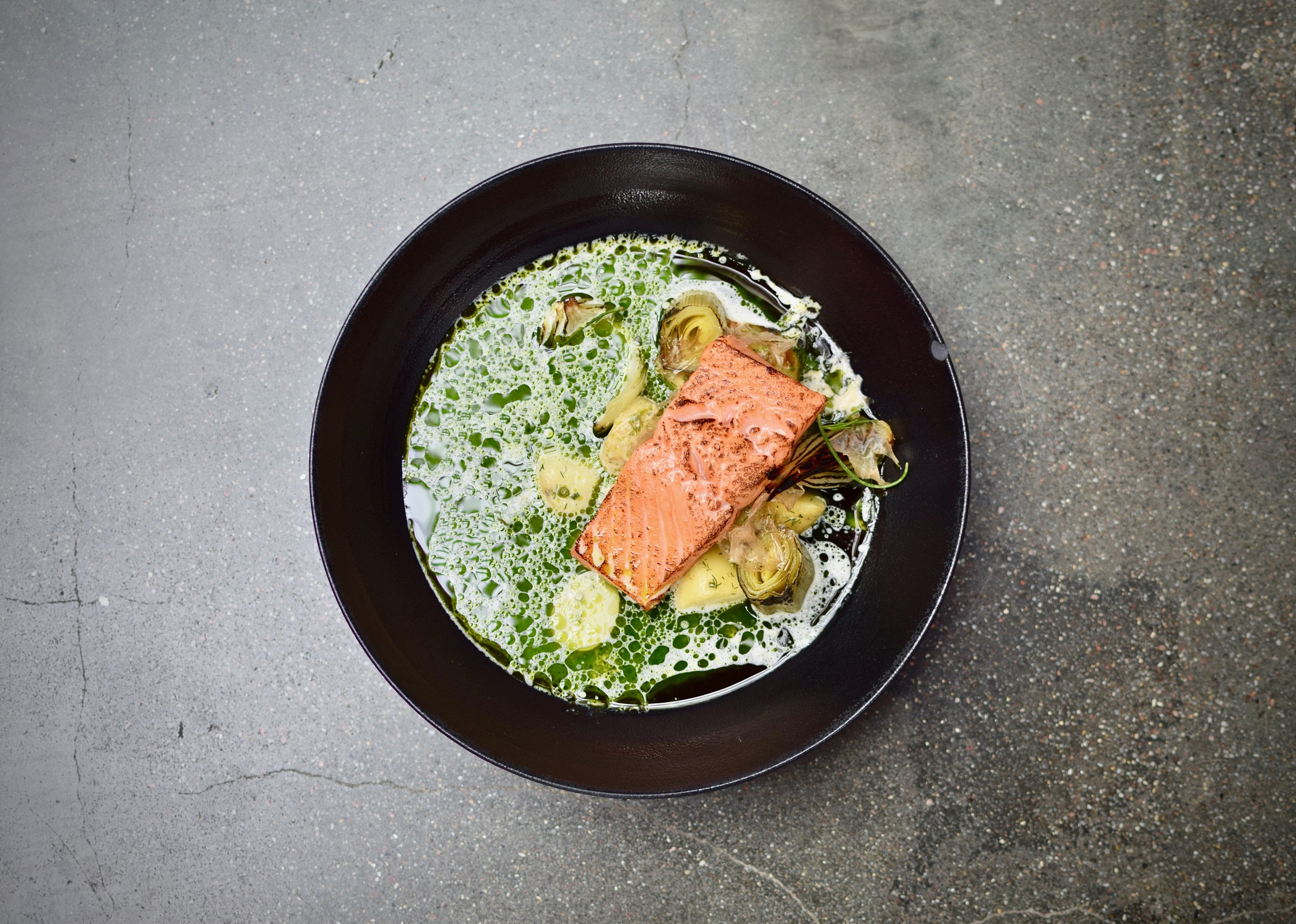
Author: Fisken på Disken

What is the difference between a seafood bar and sushi restaurant?

Fisken på Disken

A seafood bar focuses on fresh, raw preparations like oysters and shellfish served in a casual, social atmosphere, while a sushi restaurant specialises in Japanese cuisine featuring vinegared rice with fish and other ingredients. Seafood bars emphasise the natural flavours of ocean-fresh ingredients, whereas sushi restaurants showcase precise knife skills and traditional Japanese culinary techniques. Both offer exceptional fish and seafood, but through completely different culinary approaches and dining experiences.

What exactly is a seafood bar and how does it differ from other restaurants?

A seafood bar is a specialised dining establishment that focuses primarily on serving fresh, often raw or simply prepared seafood in a casual, interactive environment. Unlike traditional restaurants, seafood bars centre their entire concept around showcasing the ocean’s bounty in its purest form.

The key distinguishing features of a seafood bar include an emphasis on daily fresh catches, prominent raw bar displays featuring oysters and shellfish, and minimal cooking techniques that preserve natural flavours. The atmosphere tends to be more relaxed and social, encouraging guests to interact with knowledgeable staff who can explain different varieties and preparations.

Seafood bars differ significantly from other restaurant types in their ingredient-sourcing approach. They prioritise relationships with local fishermen and suppliers to ensure the freshest possible products arrive daily. The menu changes frequently based on seasonal availability, which means diners experience different offerings throughout the year.

The preparation philosophy also sets seafood bars apart. Rather than heavy sauces or complex cooking methods, the focus remains on highlighting each ingredient’s inherent taste. Simple preparations like steaming, grilling, or serving seafood raw allow its quality to shine through without masking its natural characteristics.

How does sushi restaurant cuisine and preparation differ from seafood bars?

Sushi restaurants follow traditional Japanese culinary principles centred around vinegared rice (shari) combined with fish, vegetables, or other ingredients. The preparation requires years of training to master proper rice preparation, knife techniques, and presentation standards that honour centuries-old traditions.

The fundamental difference lies in the cultural approach to seafood preparation. Sushi chefs undergo extensive apprenticeships, learning specific cutting techniques, rice seasoning methods, and presentation styles. Every element serves a purpose in creating balanced flavours and textures that complement the seasoned rice base.

Sushi restaurants typically offer a more structured dining experience with established menu items like nigiri, sashimi, and various roll combinations. The chef’s skill in selecting, cutting, and presenting fish becomes central to the dining experience, often featuring omakase (chef’s choice) menus that showcase seasonal selections.

Temperature and texture play crucial roles in sushi preparation. Fish is often served at specific temperatures to enhance flavour profiles, and the rice must be served at body temperature. This contrasts with seafood bars, where items might be served chilled, at room temperature, or simply cooked, depending on the ingredient and desired outcome.

What kind of dining experience should you expect at each type of restaurant?

Seafood bars offer a more casual, social dining atmosphere where guests can watch preparations, ask questions about different varieties, and enjoy a relaxed meal. The experience emphasises discovery and education about different seafood types, origins, and flavour profiles.

The physical layout of a seafood bar typically features prominent display cases showing fresh catches, oyster bars where shucking happens in view, and open kitchen areas. This transparency allows diners to see the quality of ingredients and understand the minimal processing involved in their meal preparation.

Sushi restaurants provide a more formal, contemplative dining experience rooted in Japanese hospitality traditions. The atmosphere encourages appreciation of craftsmanship, with many featuring sushi counters where guests can observe the chef’s precise movements and techniques.

Service styles differ considerably between the two. Seafood bars often encourage sharing plates and trying multiple varieties, creating a more communal dining experience. Staff members typically possess extensive knowledge about sourcing, preparation methods, and flavour characteristics, acting as guides through the menu options.

Sushi restaurants follow more structured service patterns, with courses often arriving in specific sequences designed to build flavour experiences. The interaction with chefs tends to be more formal, though equally educational, focusing on technique, tradition, and seasonal ingredients.

Which type of restaurant is better for different occasions and preferences?

Seafood bars excel for casual gatherings, business lunches, or occasions where guests want to try multiple items and share experiences. The relaxed atmosphere and variety of preparations make them ideal for groups with different preferences or adventurous diners wanting to explore new flavours.

The flexibility of seafood bars makes them excellent choices for impromptu meals or when you’re unsure about the availability of specific items. Since menus change based on daily catches, each visit offers the potential for new discoveries, appealing to regular customers who enjoy variety.

Sushi restaurants suit occasions requiring more formal dining experiences, romantic dinners, or times when guests specifically desire Japanese cuisine. The structured approach and artistic presentation create memorable experiences for special celebrations or when introducing someone to traditional Japanese culinary culture.

Budget considerations also influence the choice. Seafood bars often provide more flexibility in spending, allowing guests to order small plates, single oysters, or simple preparations that can accommodate various price points. Sushi restaurants, particularly those offering omakase experiences, typically require larger financial commitments.

For those with dietary restrictions or specific preferences, seafood bars generally offer more adaptability. The simple preparation methods and variety of cooking options can accommodate different needs, while maintaining a focus on quality ingredients and expert preparation techniques.

Both dining experiences offer unique value propositions. Seafood bars provide education about ocean-to-table ingredients and seasonal availability, while sushi restaurants offer insight into traditional techniques and cultural appreciation. Your choice depends on the desired atmosphere, the formality of the occasion, and your level of culinary curiosity. When you’re ready to experience either type of restaurant, make your restaurant reservation today to secure your preferred dining time.

6 ways to pair oysters and wine correctly

Seafood Bar

Nothing quite compares to the moment when a perfectly selected wine meets the briny sweetness of fresh oysters. This culinary marriage transforms both elements, creating a symphony of flavours that elevates the entire dining experience. Yet many restaurant professionals struggle to achieve these perfect pairings, often defaulting to safe choices that miss the opportunity to create truly memorable moments for their guests.

Understanding the art of oyster and wine pairing isn’t just about following traditional rules; it’s about comprehending how different flavour profiles complement and enhance each other. The salinity of the sea, the minerality of the oyster’s origin, and the delicate balance of sweetness all play crucial roles in determining which wine will create that perfect harmony on the palate.

1: Match wine acidity to oyster salinity levels

The foundation of exceptional oyster and wine pairing lies in understanding the relationship between acidity and salinity. When these two elements are properly balanced, they create a cleansing effect that prepares the palate for each subsequent bite, rather than overwhelming it.

High-salinity oysters from colder waters require wines with crisp acidity to cut through the intense brininess. Think Sancerre or Albariño, whose natural tartness provides the perfect counterpoint to heavily mineral oysters. Conversely, milder oysters from warmer waters pair beautifully with wines that have moderate acidity, such as a well-balanced Chardonnay or Vermentino.

The key is to avoid wines that are too soft or rounded when serving particularly briny oysters, as they’ll be completely overwhelmed by the salinity. Similarly, pairing low-salinity oysters with highly acidic wines can create an unpleasantly sharp combination that masks the oyster’s delicate flavours.

2: Choose Champagne for creamy, rich oyster varieties

Champagne and oysters represent one of gastronomy’s most celebrated partnerships, but this pairing works best with specific oyster varieties. Creamy, plump oysters with a rich texture find their perfect match in the effervescence and complexity of quality Champagne.

The bubbles in Champagne serve a dual purpose: they cleanse the palate between bites, whilst the wine’s inherent acidity cuts through the oyster’s richness. Blanc de Blancs Champagnes, made entirely from Chardonnay, offer the ideal balance of elegance and intensity needed to complement, without overpowering, these luxurious oysters.

For particularly rich varieties, consider vintage Champagnes with more developed flavours and a rounder mouthfeel. The additional complexity matches the depth of flavour found in premium oysters, creating a pairing that feels both indulgent and perfectly balanced.

3: Pair crisp whites with briny, mineral-forward oysters

When serving oysters that showcase intense minerality and pronounced brininess, the wine selection should echo these characteristics rather than compete with them. Mineral-driven white wines create a harmonious bridge that enhances both elements.

Muscadet Sur Lie stands as the classic choice, its bone-dry character and subtle salinity making it seem almost designed for briny oysters. The wine’s light body ensures it won’t overshadow the oyster’s delicate meat, whilst its mineral backbone provides a complementary foundation.

Other excellent options include Vinho Verde from Portugal, with its slight effervescence and coastal character, or a crisp Verdicchio from Italy’s Adriatic coast. These wines share that essential maritime quality that makes them natural partners for sea-fresh oysters.

4: What temperature should your wine and oysters be?

Temperature plays a crucial role in oyster and wine pairing success, yet it’s often overlooked in favour of focusing solely on flavour profiles. Both elements must be served at their optimal temperatures to achieve the perfect pairing.

Oysters should be ice-cold but not frozen, ideally served at around 4°C. This temperature preserves their fresh, briny character whilst ensuring the texture remains firm and appealing. Wines should be chilled to between 8–10°C for most white wines and Champagnes, allowing their acidity to shine without becoming harsh.

Over-chilled wines lose their aromatic complexity and can taste flat against the oyster’s natural salinity. Similarly, oysters that aren’t cold enough may taste overly fishy or lose their refreshing quality. The temperature differential should be minimal to avoid shocking the palate.

5: Consider regional pairings for authentic combinations

Some of the most successful oyster and wine pairings follow the principle that foods from the same region naturally complement each other. This approach often yields combinations that feel both authentic and harmonious.

French Belon oysters pair magnificently with Loire Valley wines like Sancerre or Pouilly-Fumé, sharing similar mineral characteristics derived from their limestone-rich terroir. Similarly, Pacific Northwest oysters find excellent partners in the region’s crisp Rieslings or Pinot Gris.

Exploring these regional connections often leads to unexpected but delightful combinations. The shared environmental factors that influence both the oysters and the wines create natural flavour bridges that enhance the overall dining experience.

6: Balance sweet oysters with bone-dry wine styles

Certain oyster varieties, particularly those from warmer waters or specific cultivation methods, develop a noticeable sweetness that requires careful wine pairing consideration. The key lies in selecting wines that provide contrast rather than amplification.

Bone-dry wines with high acidity work exceptionally well with sweet oysters, creating a balanced interplay that highlights both elements. Fino Sherry, with its distinctive salinity and complete dryness, offers an unexpected but brilliant pairing that emphasises the oyster’s sweetness through contrast.

Avoid off-dry or semi-sweet wines with sweet oysters, as this combination can become cloying and mask the subtle complexities that make quality oysters so appealing. The wine should provide a clean, refreshing counterpoint that prepares the palate for the next bite.

Master the art of oyster and wine harmony

Creating perfect oyster and wine pairings requires understanding the delicate balance between complementing and contrasting flavours. Each pairing decision should consider the oyster’s origin, salinity level, texture, and inherent sweetness alongside the wine’s acidity, body, and flavour profile.

The most successful pairings often come from experimentation and careful attention to how different combinations affect the overall tasting experience. Remember that the goal isn’t to have the wine overpower the oysters or vice versa, but to create a harmonious dialogue between both elements.

What makes these pairings truly special is their ability to transform a simple meal into an extraordinary culinary experience. Have you considered how implementing these pairing principles might elevate your next oyster service and create more memorable moments for your guests? For establishments looking to perfect their oyster service, book your dining experience today to explore these exceptional pairings firsthand.

8 reasons why oysters make perfect appetizers

Oysters and wine

When it comes to appetisers that truly set the stage for an exceptional dining experience, few options can match the elegance and sophistication of osterit (oysters). These remarkable bivalves have graced the tables of fine dining establishments for centuries, and for good reason. Their unique combination of fresh oceanic flavour, elegant presentation, and practical benefits makes them an ideal choice for restaurant menus.

Whether you’re running an intimate seafood bar or an upscale dining establishment, understanding why oysters excel as appetisers can transform your menu strategy. From their ability to stimulate the palate to their impressive nutritional profile, oysters offer benefits that extend far beyond their delicious taste. At our seafood restaurant in Helsinki’s Kortteli district, we’ve witnessed firsthand how the right appetiser can elevate an entire meal, and oysters consistently deliver that transformative experience.

1: Why oysters deserve their place on every appetiser menu

Oysters possess a unique ability to bridge the gap between casual dining and fine cuisine. Their reputation as a luxury item immediately elevates the perceived value of your menu, while their relatively simple preparation keeps kitchen operations streamlined. This dual benefit makes them particularly attractive for restaurants seeking to enhance their culinary reputation without overwhelming their kitchen staff.

The versatility of osterit allows them to complement virtually any dining concept. Whether served raw on the half shell with traditional accompaniments or prepared with creative toppings, they adapt beautifully to different culinary styles. This flexibility ensures they can enhance everything from casual seafood bars to upscale fine dining establishments.

Moreover, oysters create an immediate sense of occasion. The ritual of consuming them, combined with their association with celebration and sophistication, transforms an ordinary meal into something memorable. This psychological impact can significantly influence diners’ overall perception of their experience.

2: Oysters awaken your palate for the meal ahead

The primary function of any appetiser is to prepare the palate for the courses that follow, and oysters excel in this regard. Their clean, briny flavour acts as a natural palate cleanser, awakening taste buds without overwhelming them. The mineral-rich taste of fresh oysters stimulates saliva production, which enhances the ability to taste subsequent dishes more acutely.

Unlike heavier appetisers that might dull the palate with rich fats or intense spices, oysters provide a refreshing start that enhances rather than competes with main courses. Their delicate texture and subtle complexity create anticipation for what’s to come, rather than satisfaction that might reduce appetite for the remainder of the meal.

The temperature at which oysters are served also contributes to their palate-awakening properties. Served chilled, they provide a cooling, refreshing sensation that can be particularly appealing before warm main courses, creating a pleasant contrast that enhances the overall dining experience.

3: Perfect portion size prevents overeating

One of the greatest challenges in appetiser selection is finding options that satisfy without filling diners too completely. Oysters solve this problem naturally through their ideal portion control. A typical serving of three to six oysters provides enough substance to feel substantial while leaving ample room for subsequent courses.

The individual serving size of each oyster creates built-in portion control that’s difficult to achieve with other appetisers. Diners naturally pace themselves when consuming oysters, taking time to savour each one rather than quickly consuming large quantities. This mindful eating approach enhances satisfaction while maintaining appetite for the main course.

Additionally, the protein content in oysters provides a satisfying element that helps stabilise blood sugar levels, preventing the hunger spikes that might occur with carbohydrate-heavy appetisers. This contributes to a more comfortable and enjoyable dining experience throughout the entire meal.

4: Quick preparation means faster service

In the fast-paced environment of professional kitchens, efficiency is paramount. Oysters offer significant advantages in terms of preparation speed and consistency. Fresh oysters require minimal cooking time, with many preparations taking just minutes from order to plate. This rapid turnaround helps maintain smooth service flow, particularly during busy periods.

The preparation of raw oysters is even more streamlined, requiring only proper shucking and plating with accompaniments. This simplicity allows kitchen staff to maintain high standards even under pressure, while freeing up cooking equipment for more complex main courses.

Furthermore, many oyster preparations can be partially prepared in advance, with final touches added just before service. This advance preparation capability helps restaurants manage workflow more effectively during peak dining times, ensuring consistent quality and timing across all tables.

5: Natural aphrodisiac reputation enhances dining

The legendary reputation of oysters as an aphrodisiac adds an element of romance and intrigue to the dining experience. While the scientific evidence for this effect may be debatable, the psychological impact is undeniable. This reputation contributes to the sense of indulgence and luxury that many diners seek, particularly for special occasions.

The ritualistic nature of consuming oysters, combined with their sensual texture and the intimate act of eating them, creates an atmosphere that encourages lingering and conversation. This extended dining time can be beneficial for restaurants, as it often leads to additional beverage orders and a more relaxed, enjoyable atmosphere.

The mystique surrounding oysters also makes them an excellent conversation starter, encouraging interaction between dining companions and contributing to the overall social experience of the meal.

6: What makes oysters so nutritionally valuable?

Beyond their culinary appeal, oysters offer exceptional nutritional benefits that health-conscious diners increasingly value. These molluscs are remarkably nutrient-dense, providing high levels of protein, omega-3 fatty acids, and essential minerals including zinc, iron, and vitamin B12.

A single serving of oysters can provide more than the daily recommended intake of zinc, which supports immune function and wound healing. The high concentration of omega-3 fatty acids contributes to heart health and brain function, making oysters an appealing choice for diners focused on wellness.

The low calorie content of oysters, combined with their high protein levels, makes them particularly attractive to diners following various dietary approaches. They’re naturally gluten-free, low in carbohydrates, and provide sustained energy without the heaviness associated with many appetiser options.

7: Elegant presentation elevates any occasion

The visual impact of properly presented oysters cannot be overstated. Served on crushed ice with carefully arranged accompaniments, they create an immediately impressive display that signals quality and attention to detail. This sophisticated presentation elevates the perceived value of the entire dining experience.

The natural beauty of oyster shells provides an elegant serving vessel that requires minimal additional plating elements. This simplicity allows the natural appeal of the oysters to shine while maintaining the refined aesthetic that diners expect from quality establishments.

The customary accompaniments—mignonette, cocktail sauce, lemon wedges, and horseradish—add colour and visual interest while providing diners with options to customise their experience. This interactive element engages diners and creates a more memorable experience than static appetiser presentations.

8: Versatile pairing options suit every taste

One of the greatest strengths of oysters as appetisers lies in their exceptional compatibility with various beverages and flavour profiles. The classic pairing with champagne or crisp white wines creates an immediately luxurious experience, while the growing popularity of craft beer pairings appeals to a broader audience.

The neutral mineral flavours of fresh osterit allow them to complement rather than compete with different beverage selections. This versatility means restaurants can successfully offer oysters regardless of their primary beverage focus, whether that’s wine, beer, or creative cocktails.

Additionally, the various preparation methods—raw, grilled, baked, or fried—allow restaurants to adapt oyster offerings to different flavour preferences and dietary requirements. This flexibility ensures that oysters can appeal to adventurous diners seeking new experiences as well as those preferring familiar preparations.

Start your next meal with nature’s perfect appetiser

The enduring popularity of oysters as appetisers stems from their unique combination of practical benefits and sensory appeal. They offer restaurants a reliable way to enhance both the dining experience and operational efficiency, while providing diners with a sophisticated start to their meal that awakens the palate without overwhelming it.

From our experience serving fresh, seasonal seafood in Helsinki, we’ve observed how the right appetiser choice can transform an ordinary meal into an extraordinary experience. Oysters consistently deliver this transformation through their perfect balance of elegance, flavour, and nutritional value.

As you consider your appetiser offerings, remember that the goal extends beyond simply filling space on the menu. The best appetisers, like perfectly fresh osterit, create anticipation, stimulate conversation, and establish the tone for everything that follows. Ready to experience exceptional oysters yourself? Book your table today and discover what truly makes an appetiser exceptional.

How to recognize authentic Finnish salmon soup?

Fisken på Disken

Authentic Finnish salmon soup, known as lohikeitto, is a creamy, hearty dish featuring fresh salmon, potatoes, dill, and cream in a light broth. Traditional preparation methods and specific ingredient combinations distinguish genuine lohikeitto from other salmon soups. The soup should have a delicate balance of flavours, with prominent dill and a silky texture from properly incorporated cream.

What makes Finnish salmon soup different from other salmon soups?

Finnish salmon soup stands apart through its distinctive use of fresh dill, a light cream base, and a specific cooking technique that preserves the salmon’s texture. Unlike heavier cream-based soups from other Nordic countries, authentic lohikeitto maintains a delicate broth consistency that doesn’t overpower the fish’s natural flavour.

The preparation method involves gently poaching salmon in seasoned water rather than building a rich stock base. This approach keeps the soup light while allowing each ingredient to contribute its unique character. Traditional Finnish cooking methods emphasise simplicity and ingredient quality over complex flavour layering.

Another distinguishing feature is the generous use of fresh dill, which provides the soup’s signature aromatic profile. Many international variations substitute other herbs, but authentic lohikeitto relies specifically on dill’s bright, slightly tangy flavour to complement the salmon. The soup also typically includes only essential vegetables like onions, carrots, and potatoes, avoiding the elaborate vegetable medleys found in other regional salmon soups.

What are the essential ingredients in authentic Finnish salmon soup?

Authentic Finnish salmon soup requires fresh salmon fillet, potatoes, onions, carrots, fresh dill, and cream or milk. These six core ingredients form the foundation of traditional lohikeitto. Quality fish stock or water, salt, and white pepper complete the essential component list for genuine preparation.

The salmon should be fresh, skin-on fillet that’s cut into generous chunks rather than flaked. Waxy potatoes work best, as they hold their shape during cooking and provide the soup’s hearty foundation. Yellow onions and carrots add subtle sweetness and depth without competing with the salmon’s delicate flavour.

Fresh dill is absolutely crucial and cannot be substituted with dried herbs or other fresh alternatives. The cream component varies by region, with some traditional recipes using whole milk or a combination of milk and cream. However, the dairy element must be added carefully to prevent curdling and maintain the soup’s characteristic smooth texture.

Authentic recipes avoid ingredients like leeks, celery, or bay leaves that appear in modern interpretations. The traditional approach focuses on these core ingredients to create a clean, balanced flavour profile that celebrates the salmon rather than masking it with complex seasonings.

How can you tell if a Finnish salmon soup is made traditionally?

Traditional Finnish salmon soup has a pale, creamy appearance with visible chunks of salmon, potato, and bright green dill. The broth should be light enough to see through while maintaining a silky consistency from properly incorporated dairy. Authentic preparation shows restraint in seasoning and ingredient selection.

The salmon pieces should remain intact and flaky rather than breaking down into small fragments. This indicates proper cooking technique, where the fish is added near the end of preparation and gently poached rather than boiled aggressively. Traditional lohikeitto maintains distinct textures between ingredients rather than creating a homogeneous mixture.

Visual cues include the prominent presence of fresh dill throughout the soup, not just as a garnish. The vegetables should be tender but not mushy, with potato pieces that hold their shape. The colour should be naturally pale from the fish and dairy rather than artificially enhanced with additional seasonings or colourings.

Authentic preparation also shows in the soup’s simplicity. Traditional lohikeitto doesn’t include elaborate garnishes, multiple herb varieties, or complex flavour additions. The focus remains on showcasing quality ingredients through careful preparation rather than culinary complexity.

What should authentic Finnish salmon soup taste like?

Authentic Finnish salmon soup should taste clean and balanced, with prominent salmon flavour, fresh dill brightness, and creamy richness without being heavy. The overall profile is comforting and warming while remaining light enough to highlight the fish’s natural sweetness. Proper seasoning enhances rather than dominates the primary ingredients.

The salmon flavour should be the star, with its natural oils and sweetness coming through clearly in each spoonful. Fresh dill provides an essential aromatic lift that cuts through the cream’s richness while complementing the fish’s flavour profile. The combination creates a distinctive taste that’s immediately recognisable as Finnish cuisine.

The texture should be smooth and velvety from properly incorporated dairy, with pleasant contrast from tender vegetables and flaky salmon pieces. Each ingredient maintains its individual character while contributing to the harmonious whole. The soup shouldn’t taste overly salty, heavily seasoned, or masked by competing flavours.

When prepared authentically, lohikeitto offers a sense of warmth and satisfaction without feeling heavy or overly rich. The finish should be clean, with lingering dill and salmon notes. This balanced approach to flavour reflects traditional Finnish cooking philosophy, which celebrates natural ingredients through careful, respectful preparation methods.

Understanding these characteristics helps you recognise authentic Finnish salmon soup whether you’re preparing it at home or enjoying it in restaurants. The combination of quality ingredients, traditional techniques, and balanced flavours creates the distinctive taste that makes lohikeitto a beloved part of Finnish food culture and Nordic culinary tradition. For those seeking to experience authentic Finnish dining experiences, traditional lohikeitto represents the essence of Finnish comfort food.

What are the best fish restaurants in Helsinki city center?

Fisken på Disken

Helsinki city center offers exceptional fish restaurants that combine fresh Nordic seafood with expert culinary techniques. The best establishments focus on seasonal ingredients, traditional preparation methods, and intimate dining atmospheres. Fisken på Disken exemplifies this approach as a seafood restaurant and oyster bar in Kortteli, where deeper flavours take centre stage through classical and modern cooking expertise.

What makes a fish restaurant truly exceptional in Helsinki?

Exceptional fish restaurants in Helsinki prioritise ingredient quality above all else, sourcing the freshest seasonal catch from Nordic waters. They combine traditional Finnish seafood preparation with contemporary techniques, creating dishes that honour both heritage and innovation. The atmosphere should reflect the maritime culture while providing intimate, comfortable dining experiences.

The most distinguished Helsinki seafood restaurants demonstrate their expertise through specialised offerings like dedicated oyster bars and seasonal shellfish selections. These establishments understand that seafood dining requires precise timing and temperature control to preserve the delicate flavours that make Nordic fish exceptional.

Expert preparation techniques separate outstanding fish restaurants from ordinary ones. The best chefs understand how different fish species require unique cooking methods, whether it’s the gentle poaching of delicate white fish or the careful grilling of robust salmon. This knowledge, combined with quality sourcing, creates memorable dining experiences that showcase Helsinki’s maritime culinary heritage.

Where can you find the freshest seafood in Helsinki city center?

The freshest seafood in Helsinki city center comes from restaurants with direct relationships with local suppliers and daily deliveries from Nordic fishing grounds. Establishments in areas like Kortteli have built reputations around consistent quality and seasonal availability. These restaurants often feature daily specials based on the morning’s best catches.

Fisken på Disken represents this commitment to freshness through its seafood bar, which maintains a constant supply of fresh oysters and seasonal shellfish based on availability. This approach ensures diners experience seafood at peak quality rather than settling for frozen or aged products.

Authentic seafood restaurants in Helsinki city center display their daily selections prominently, allowing guests to see the quality before ordering. They work with established fishing networks that understand the importance of proper handling and rapid transport from boat to plate.

What should you expect from Helsinki’s top fish restaurants?

Helsinki’s top fish restaurants offer comprehensive seafood experiences that extend beyond simple meal service. Expect knowledgeable staff who can explain preparation methods, suggest wine pairings, and guide you through seasonal specialities. The atmosphere should reflect Nordic maritime culture while maintaining sophisticated dining standards.

Quality establishments provide flexible dining options, accommodating both leisurely multi-course dinners and casual meals during shopping excursions. This versatility allows restaurants to serve diverse customer needs while maintaining consistent food quality across different service styles.

The best fish restaurants feature specialised areas like oyster bars where guests can enjoy fresh shellfish in relaxed settings. These spaces demonstrate the restaurant’s commitment to seafood expertise while providing interactive dining experiences that showcase the chef’s skills and ingredient quality.

How do Helsinki fish restaurants source their ingredients?

Helsinki fish restaurants source ingredients through established networks of Nordic suppliers who specialise in sustainable fishing practices. These relationships ensure consistent quality and seasonal variety while supporting local fishing communities. The best restaurants work directly with suppliers who understand restaurant timing and quality requirements.

Seasonal availability drives menu planning at quality seafood establishments. Restaurants adjust their offerings based on fishing seasons, weather conditions, and sustainable catch limits. This approach guarantees peak freshness while supporting responsible fishing practices that preserve Nordic marine ecosystems.

Professional fish restaurants maintain strict quality standards through daily deliveries and proper storage techniques. They understand that seafood quality deteriorates rapidly, so they have developed systems for quick turnover and optimal preservation. This includes specialised refrigeration, proper handling procedures, and staff training on seafood quality assessment.

The combination of expert sourcing, skilled preparation, and atmospheric dining creates Helsinki’s exceptional fish restaurant scene. Whether you’re seeking an elaborate seafood dinner or a casual oyster bar experience, the city’s best establishments demonstrate their expertise through consistent quality and genuine passion for Nordic maritime cuisine. For those looking to experience exceptional Nordic seafood, consider booking your Helsinki dining experience at one of these outstanding establishments.

10 ways to enjoy oysters like a professional

The world of osterit (oysters) can seem intimidating to many restaurant professionals and seafood enthusiasts alike. These briny treasures of the sea have been enjoyed for centuries, yet mastering their appreciation requires more than simply slurping them down. Whether you’re working in a fine dining establishment or simply want to elevate your personal culinary expertise, understanding how to properly enjoy oysters separates the amateur from the true connoisseur.

Learning to appreciate osterit like a professional involves understanding their complexity, from selecting the perfect specimen to pairing them with complementary flavours. The art extends far beyond the initial taste, encompassing proper handling, presentation, and the cultural nuances that make oyster consumption a sophisticated experience.

1. Mastering the art of oyster appreciation

True oyster appreciation begins with understanding that each osterit tells the story of its origin. Professional tasters approach oysters with all their senses engaged, examining the shell’s appearance, inhaling the ocean aroma, and listening to the subtle sounds when the shell is tapped. The visual inspection reveals crucial information about freshness and quality.

When you receive an oyster, take a moment to observe its natural presentation. The shell should appear clean and intact, while the oyster meat should glisten with its natural liquor. Professional oyster enthusiasts never rush this initial assessment, as it sets the foundation for the entire tasting experience.

The actual tasting involves a deliberate process where you allow the oyster to rest on your tongue momentarily before chewing gently. This technique allows you to experience the full spectrum of flavours, from the initial brininess to the subtle mineral notes that follow.

2. Choose the right oyster for your palate

Different varieties of osterit offer dramatically different flavour profiles, ranging from sweet and mild to intensely briny and metallic. Understanding these variations helps you select oysters that match your preferences or the specific dining experience you’re creating.

European flat oysters tend to offer a more complex, mineral-forward taste with a distinctive metallic finish, while Pacific varieties often present cleaner, sweeter profiles. The key lies in understanding that water temperature and salinity directly influence these characteristics, making origin as important as species.

For beginners, starting with milder varieties allows the palate to develop appreciation gradually. More experienced enthusiasts often prefer the challenging complexity of intensely flavoured specimens that showcase the unique characteristics of their growing waters.

3. Master proper oyster shucking technique

Professional oyster shucking requires patience, proper tools, and respect for safety. The technique involves finding the oyster’s hinge point and applying steady pressure rather than force. A quality oyster knife with a sturdy blade and comfortable grip makes this process significantly easier and safer.

Hold the oyster firmly with a towel, keeping your holding hand well away from the knife’s path. Insert the blade at the hinge, twist gently to pop the shell, then slide the knife along the top shell to cut the adductor muscle. The goal is to preserve the natural liquor while ensuring no shell fragments contaminate the meat.

Practice with less expensive varieties before attempting to shuck premium osterit. Professional shuckers maintain a rhythm that comes from understanding each oyster’s individual characteristics, adjusting their technique based on shell thickness and shape.

4. Perfect your oyster eating etiquette

Proper oyster consumption etiquette varies between casual and formal settings, but certain principles remain constant. In professional dining environments, oysters are typically consumed in one smooth motion, allowing the natural juices to enhance the overall experience.

The traditional approach involves lifting the shell to your lips and allowing the oyster to slide naturally into your mouth. Some gentle chewing helps release additional flavours, though the exact technique depends on personal preference and the specific variety being consumed.

Accompaniments should complement, never overpower, the oyster’s natural character. Professional tastings often progress from milder to more intense varieties, allowing the palate to appreciate each oyster’s unique qualities without interference from previous flavours.

5. What makes the perfect oyster mignonette?

A well-crafted mignonette serves as the perfect acidic counterpoint to rich, briny osterit. The classic preparation combines red wine vinegar with finely minced shallots and freshly cracked black pepper, creating a sauce that enhances rather than masks the oyster’s natural flavours.

The vinegar’s acidity cuts through the oyster’s richness, while the shallots provide a subtle sharpness that complements the mineral notes. Professional preparations often involve allowing the mixture to macerate for at least thirty minutes, ensuring the flavours meld properly.

Variations might include champagne vinegar for a more delicate touch or the addition of cucumber for extra freshness. The key principle remains consistent: balance and restraint ensure the mignonette supports rather than dominates the oyster experience.

6. Identify freshness like a seafood expert

Fresh osterit exhibit specific characteristics that professional buyers and chefs recognise immediately. The shell should close tightly when tapped, indicating the oyster is alive and healthy. Any shells that remain open or close sluggishly should be discarded without hesitation.

The aroma should evoke clean ocean water rather than any fishy or off-putting smells. Fresh oysters smell like the sea at its most pristine, with a mineral freshness that speaks to their recent harvest. Professional establishments never compromise on this crucial aspect of quality control.

Visual inspection reveals additional freshness indicators: the meat should appear plump and glossy, surrounded by clear natural liquor. Any cloudiness in the liquor or unusual discolouration in the meat suggests the oyster has passed its prime and should not be consumed.

7. Pair oysters with wine and beverages

Classic oyster pairings centre around crisp, mineral-driven white wines that complement rather than compete with the shellfish’s natural salinity. Chablis, Sancerre, and quality Champagne represent traditional choices that have proven their compatibility over generations of refined dining.

The wine’s acidity should match the oyster’s intensity, with lighter wines suiting delicate varieties and more robust selections pairing well with intensely flavoured osterit. Professional sommeliers consider the oyster’s origin when making recommendations, as growing conditions influence both flavour and ideal pairings.

Alternative beverages like quality gin or vodka offer different but equally valid approaches to oyster pairing. The key lies in understanding that clean, crisp flavours enhance the experience, while heavy or overly complex drinks can overwhelm the subtle nuances that make each oyster unique.

8. Understand oyster seasonality and sourcing

Traditional wisdom suggests avoiding osterit during months without an “R,” though modern farming and storage techniques have largely overcome historical safety concerns. However, understanding natural breeding cycles still influences flavour and texture, with many varieties reaching peak quality during cooler months.

Professional establishments track their sources carefully, understanding that water temperature, salinity, and local conditions dramatically affect final quality. At our restaurant in Helsinki, we work closely with trusted suppliers to ensure our osterit represent the finest available specimens throughout the season.

Seasonal availability also affects pricing and selection, with smart buyers adjusting their offerings based on when different varieties reach optimal condition. This knowledge allows restaurants to provide consistently excellent experiences while managing costs effectively.

9. Create elegant oyster presentations

Professional oyster presentation involves more than simply arranging shells on ice. The visual appeal begins with selecting uniform, attractive shells and ensuring each oyster sits level to prevent spillage of the precious natural liquor.

Traditional presentations utilise crushed ice as both a functional and aesthetic element, keeping the osterit properly chilled while creating an appealing backdrop. Garnishes should be minimal and purposeful: lemon wedges, fresh seaweed, or small portions of mignonette arranged for easy access.

The serving vessel itself contributes to the overall experience. Proper plateware provides stability while showcasing the oysters attractively. Professional establishments often use specialised oyster plates with individual wells designed to hold each shell securely.

10. Navigate oyster bar menus confidently

Understanding oyster menu descriptions allows you to make informed selections based on your preferences and the occasion. Menus typically list origin, size, and brief flavour descriptions that guide your choices towards varieties that match your expectations.

Professional establishments often organise their selections by intensity or region, making it easier to progress through a tasting or select complementary varieties. Don’t hesitate to ask servers for recommendations based on your preferences, as knowledgeable staff can guide you towards exceptional experiences.

Pricing often reflects rarity, size, and transport costs rather than quality alone. Some of the most memorable osterit experiences come from lesser-known varieties that offer exceptional value alongside unique flavour profiles.

Elevate your seafood dining experience

Mastering the art of oyster appreciation transforms these simple molluscs from intimidating delicacies into accessible pleasures that enhance any dining experience. The techniques and knowledge outlined above provide the foundation for developing genuine expertise that will serve you throughout your culinary journey.

The beauty of osterit lies in their infinite variety and the way they connect us to specific places and seasons. Each oyster represents a unique combination of environmental factors that can never be exactly replicated, making every tasting an opportunity for discovery.

Whether you’re incorporating these skills into your professional practice or simply seeking to enhance your personal enjoyment, remember that true appreciation comes through experience and mindful attention to detail. To experience professionally prepared oysters in an elegant setting, book your table today and apply these techniques to transform your next oyster experience into something truly memorable.

What is a seafood bar?

Seafood Bar

A seafood bar is a specialised dining establishment that focuses on serving fresh seafood, particularly raw and lightly prepared items like oysters, shellfish, and crudo. These venues typically feature a prominent display counter where diners can see the fresh catch and interact with knowledgeable staff. Unlike traditional restaurants, seafood bars emphasise the immediate consumption of the freshest possible products, often sourced daily from local suppliers and fishmongers.

What exactly is a seafood bar and how does it work?

A seafood bar operates around a central display counter where fresh seafood is presented on ice, allowing customers to see exactly what they’re ordering. The concept revolves around serving the highest-quality seafood as quickly as possible after delivery, often within hours of being caught or harvested.

The typical setup includes refrigerated display cases, shucking stations for oysters, and preparation areas where skilled staff can prepare items like ceviche, crudo, or seafood platters while you wait. Many seafood bars source their products from specific suppliers who specialise in premium, sustainable catches, ensuring both quality and environmental responsibility.

The service model encourages interaction between staff and customers. Knowledgeable team members can explain the origin of different seafood items, suggest pairings, and prepare dishes according to individual preferences. This creates an educational dining experience in which guests learn about seasonal availability, preparation methods, and flavour profiles of various marine delicacies.

What’s the difference between a seafood bar and a regular restaurant?

Seafood bars prioritise immediate freshness and raw preparations, while regular restaurants typically cook most dishes and may use frozen seafood. The dining experience centres around a display counter rather than traditional table service, creating a more interactive and casual atmosphere.

The menu structure differs significantly between the two concepts. Regular restaurants usually offer extensive menus with various cooking methods and cuisine styles. Seafood bars focus on highlighting the natural flavours of premium seafood through minimal preparation, featuring items like fresh oysters, sea urchin, prawns, and raw fish preparations.

Timing plays a crucial role in seafood bar operations. These establishments often receive deliveries multiple times per week or even daily, adjusting their offerings based on what’s available and in peak condition. Regular restaurants typically plan menus weeks in advance and maintain consistent offerings regardless of seasonal availability.

The staff expertise requirements also vary considerably. Seafood bar employees need extensive knowledge of marine products, including seasonal variations, preparation techniques for raw items, and food safety protocols specific to fresh seafood handling.

What types of food and drinks do seafood bars typically serve?

Seafood bars specialise in fresh oysters, shellfish, crudo, ceviche, and other raw or lightly prepared marine delicacies. The beverage selection typically features wines, champagne, and cocktails that complement seafood flavours, creating perfect pairings for the delicate tastes of fresh seafood.

The food offerings centre around seasonal availability and peak freshness. Common items include various oyster species from different regions, prawns, langoustines, crab, lobster, and fresh fish prepared as tartare or crudo. Many venues also offer cooked options like grilled fish, seafood soups, and sharing platters that showcase multiple types of seafood.

Drink selections are carefully curated to enhance the seafood experience. Crisp white wines, particularly those with mineral qualities, complement raw preparations beautifully. Classic cocktails like martinis or gin-based drinks work well with briny flavours, while champagne and sparkling wines provide the acidity that balances rich, oceanic tastes.

Some seafood bars expand their offerings to include small plates and appetisers that incorporate seafood into more complex preparations. These might include seafood salads, pasta dishes with the fresh catch, or innovative preparations that blend traditional techniques with modern culinary approaches.

How do you know if a seafood bar serves fresh, quality seafood?

Quality seafood bars display their products openly on ice, allowing customers to see freshness indicators like clear eyes on whole fish, tightly closed shells on molluscs, and bright, firm flesh. The smell should be clean and oceanic, never fishy or unpleasant, indicating proper handling and storage.

Staff knowledge serves as an excellent indicator of establishment quality. Experienced team members should be able to tell you exactly when items arrived, where they were sourced, and how they’ve been stored. They should also provide guidance on seasonal availability and make recommendations based on what’s at peak quality that day.

The turnover rate of products provides another crucial quality marker. Reputable seafood bars sell through their inventory quickly, ensuring nothing sits too long. You can often observe this by visiting at different times and noting how offerings change based on deliveries and sales.

Look for establishments that maintain proper temperature control throughout their display areas and preparation spaces. Quality venues invest in professional-grade refrigeration systems and follow strict protocols for handling raw seafood. The cleanliness of preparation areas and the professionalism of staff handling procedures also indicate a commitment to food safety and quality standards.

Understanding what makes a quality seafood bar helps you make informed dining choices and fully appreciate the craftsmanship involved in serving exceptional fresh seafood. The combination of premium sourcing, expert preparation, and knowledgeable service creates a unique dining experience that celebrates the natural flavours of the ocean. When you find an exceptional venue, consider booking your seafood dining experience to ensure you secure a spot at these popular establishments.

Where to get the best salmon soup in Helsinki?

The lohikeitto takeaway

Finding exceptional salmon soup in Helsinki requires knowing where authentic Finnish lohikeitto is prepared with traditional techniques and premium ingredients. The best versions combine fresh salmon, creamy broth, and seasonal vegetables in perfect harmony. Helsinki’s seafood restaurants offer varying interpretations, but true Finnish salmon soup follows time-honored recipes that showcase the natural flavors of Nordic ingredients.

What makes authentic Finnish lohikeitto so special?

Authentic Finnish lohikeitto stands apart through its creamy, milk-based broth that balances richness with the clean taste of fresh salmon. Traditional preparation involves slowly simmering salmon bones to create a flavorful base, then combining this with milk or cream for the characteristic pale color and velvety texture that define genuine Finnish salmon soup.

The soup’s distinctive character comes from its simplicity and respect for ingredients. Unlike heavy cream soups found elsewhere, Finnish lohikeitto maintains a delicate balance in which no single element overpowers another. Root vegetables like carrots, potatoes, and leeks provide earthiness, while fresh dill adds the essential Nordic herbal note. This combination creates the comforting yet refined taste that has made salmon soup a cornerstone of Finnish cuisine for generations.

Seasonal preparation methods also distinguish authentic lohikeitto. Traditional recipes adapt to ingredient availability, using fresh salmon during peak seasons and incorporating different vegetable combinations based on what is locally available. This flexibility within a structured framework demonstrates the sophisticated simplicity that characterizes the best traditional Finnish food.

Where can you find the best salmon soup in Helsinki?

The finest salmon soup in Helsinki comes from restaurants that prioritize fresh, local ingredients and traditional preparation methods. Fisken på Disken has earned recognition for its acclaimed and award-winning classic lohikeitto, which exemplifies the perfect balance of creamy texture and pure salmon flavor that defines exceptional Finnish salmon soup.

Quality seafood restaurants throughout Helsinki offer their interpretations of this beloved dish, but the best versions share common characteristics: they use fresh Finnish salmon, prepare broths from scratch, and maintain the delicate milk-based consistency that distinguishes authentic lohikeitto. The most exceptional fish restaurants Helsinki has to offer understand that great salmon soup cannot be rushed or simplified without losing its essential character.

When seeking outstanding lohikeitto, look for establishments that specialize in seafood Helsinki dining and demonstrate a commitment to Finnish culinary traditions. These restaurants typically source their salmon locally, prepare their soups daily, and understand the nuanced technique required to achieve the perfect creamy consistency without masking the fish’s natural flavors.

How do you recognize high-quality salmon soup when dining out?

High-quality salmon soup displays a pale, creamy color with visible chunks of fresh salmon and tender vegetables throughout. The broth should be smooth and velvety without being overly thick, and the salmon pieces should flake easily while maintaining their structure. Seafood dining Helsinki establishments serving exceptional lohikeitto ensure these visual and textural elements are consistently present.

The aroma provides immediate quality indicators. Authentic Finnish salmon soup releases a gentle, clean fish scent combined with fresh herbs, particularly dill. There should be no overpowering fishy smell or heavy cream odors that might indicate poor ingredients or improper preparation techniques.

Taste reveals the ultimate quality markers. Premium lohikeitto delivers a harmonious blend in which the salmon’s natural flavor remains prominent without being masked by excessive seasoning or cream. The vegetables should retain slight texture, and the overall taste should be comforting yet refined, with a clean finish that encourages another spoonful rather than feeling heavy or overly rich.

What ingredients make the perfect Finnish salmon soup?

Perfect Finnish salmon soup requires fresh salmon as the foundation, typically using both salmon fillets and bones to create depth of flavor. The essential base combines fish stock with milk or light cream, creating the characteristic pale color and smooth texture. Root vegetables including potatoes, carrots, and leeks provide substance and complementary flavors that enhance rather than compete with the salmon.

Fresh dill serves as the signature herb, adding the distinctive Nordic flavor profile that defines authentic lohikeitto. Quality butter for sautéing vegetables, white pepper for gentle heat, and sea salt for seasoning complete the traditional ingredient list. The best salmon soup recipe variations might include onions, celery, or bay leaves, but always maintain the delicate balance that allows salmon to remain the star ingredient.

Ingredient quality directly impacts the final result. Fresh, never-frozen salmon provides the clean taste and proper texture essential for exceptional lohikeitto. Locally sourced vegetables and high-quality dairy products contribute to the soup’s overall character. Understanding these ingredient relationships helps explain why the finest Helsinki restaurants invest in premium sourcing for their salmon soup preparations.

The tradition of Finnish salmon soup reflects the country’s deep connection to both sea and land, combining the bounty of Nordic waters with seasonal vegetables in a preparation that embodies Finnish culinary traditions. When prepared with respect for these traditional methods and quality ingredients, lohikeitto becomes more than sustenance—it represents the essence of Finnish comfort food at its finest. Whether enjoyed as a warming meal during Helsinki’s cold months or as a celebration of fresh summer salmon, exceptional lohikeitto continues to define the pinnacle of Finnish soup-making artistry.

Oysters and wine: The perfect pairing in Helsinki

Seafood Bar

There’s something magical about the combination of fresh oysters and perfectly matched wine—a pairing that transforms a simple meal into an unforgettable sensory experience. In Helsinki’s vibrant culinary scene, this classic combination has found a devoted following among food enthusiasts who appreciate the delicate interplay of briny, sweet oyster flavours with crisp, mineral-driven wines. Whether you’re new to oysters or a seasoned connoisseur, understanding how to pair these ocean treasures with the right wine elevates your dining experience to new heights. This guide will explore the fundamentals of oyster and wine pairing, introduce you to the classic wine styles that work beautifully with different oyster varieties, and show you how to discover this pairing tradition right here in the Finnish capital.

Understanding the Art of Oyster and Wine Pairing

The relationship between oysters and wine is one of gastronomy’s most celebrated partnerships, built on principles of complementary flavours and textural harmony. Oysters possess a complex flavour profile that combines salinity, sweetness, and subtle mineral notes—characteristics that can either be enhanced or overwhelmed depending on your wine selection. The goal of pairing is to create balance, where neither the wine nor the oyster dominates, but rather each element brings out hidden nuances in the other.

When approaching oyster and wine pairing, consider three fundamental factors: the oyster’s salinity level, its texture, and any distinctive flavour notes it carries from its growing waters. These elements interact with a wine’s acidity, body, and flavour profile in predictable ways. High acidity in wine, for instance, cuts through the oyster’s richness and refreshes the palate between bites, while wines with mineral qualities echo the ocean’s essence found in the oyster itself.

The traditional approach favours lighter, crisper wines that won’t mask the oyster’s delicate taste. However, the art of pairing extends beyond simple rules—it’s about understanding how different elements interact and being willing to experiment. Temperature also plays a crucial role; both oysters and wine should be properly chilled to maintain freshness and allow flavours to express themselves fully. As you develop your palate, you’ll discover personal preferences that might challenge conventional wisdom, and that’s perfectly acceptable in the world of wine pairing.

Classic Wine Styles That Complement Oysters

Certain wine styles have earned their reputation as oyster companions through centuries of pairing tradition. Champagne and sparkling wines top the list, with their high acidity and effervescence providing a refreshing contrast to the oyster’s creamy texture. The bubbles act as a palate cleanser, while the wine’s yeasty, brioche-like notes add complexity to the pairing. A brut Champagne or quality Cava offers versatility across different oyster varieties.

Muscadet, a wine from France’s Loire Valley, represents another classic choice specifically cultivated alongside oyster-growing regions. This wine’s pronounced minerality and citrus notes mirror the ocean characteristics found in oysters. Similarly, Chablis—an unoaked Chardonnay from Burgundy—brings steely acidity and flinty mineral qualities that enhance rather than compete with the oyster’s flavour profile.

“The perfect oyster and wine pairing should make you pause and savour the moment, as each element reveals new dimensions in the other.”

For those seeking alternatives beyond French classics, consider these excellent options:

  • Albariño from Spain’s Galicia region, offering bright acidity with peach and saline notes
  • Picpoul de Pinet, a Mediterranean white with crisp freshness and subtle herbal undertones
  • Grüner Veltliner from Austria, providing peppery spice alongside citrus and mineral characteristics
  • Fino or Manzanilla Sherry, bringing nutty complexity and bone-dry finish

Each of these wines shares common traits: high acidity, moderate to light body, and flavour profiles that either complement or gently contrast with oysters without overwhelming their subtle taste. The key is avoiding wines with heavy oak influence or excessive alcohol, which can clash with the oyster’s delicate nature.

How Oyster Varieties Influence Wine Selection

Not all oysters taste the same, and understanding these differences is crucial for optimal wine pairing. Oyster flavour varies significantly based on growing location, water salinity, and species. Some oysters present bold, briny characteristics with pronounced saltiness, while others offer sweeter, more delicate profiles with buttery or cucumber-like notes. These variations should guide your wine selection.

Pacific oysters, commonly available in Nordic markets, tend towards a milder, slightly sweet flavour with a creamy texture. These pair beautifully with wines that have gentle fruit notes alongside their acidity—think Albariño or a crisp Sauvignon Blanc. The wine’s fruitiness complements the oyster’s sweetness without creating discord.

In contrast, European flat oysters (often called Belons) deliver intense, metallic, and highly saline flavours that demand wines with equally robust character. These oysters work exceptionally well with mineral-driven Muscadet or bone-dry Champagne, where the wine’s structure can stand up to the oyster’s assertive personality. Attempting to pair a delicate wine with these powerful oysters would result in the wine disappearing entirely.

Oyster characteristic Recommended wine style Why it works
Sweet and mild Albariño, light Sauvignon Blanc Fruit notes complement sweetness
Briny and metallic Muscadet, Chablis Mineral qualities echo ocean character
Creamy and rich Champagne, quality sparkling wine Bubbles cut through richness
Cucumber-like freshness Picpoul de Pinet, Vermentino Herbal notes create harmony

When you have the opportunity to taste multiple oyster varieties side by side, pay attention to how each one’s unique characteristics interact with the same wine. This comparative approach quickly develops your palate and helps you understand why certain pairings work while others fall flat.

Experiencing Oyster Tastings in Helsinki

Helsinki’s culinary landscape has embraced the tradition of oyster appreciation, offering opportunities to explore this pairing art in comfortable, welcoming settings. An oyster tasting in Helsinki provides an educational and delicious way to understand how different oyster varieties express themselves and how wine selection influences your perception of each one.

The concept of an oyster tasting follows a similar structure to wine tasting—presenting multiple varieties that allow you to compare and contrast flavours, textures, and characteristics. This approach removes the guesswork from pairing and helps develop your personal preferences through direct experience. Rather than committing to a full dozen of one variety, tasting formats let you sample smaller portions of several types.

At our seafood bar in the heart of Helsinki’s Kortteli district, we offer daily selections of three different oyster varieties, with our team available to guide you through the tasting experience. Our oyster tasting options allow you to sample one, two, or all three varieties, making it accessible whether you’re curious about trying your first oyster or eager to explore multiple expressions. We’re open Tuesday through Friday from 11:00 to 22:00, and Saturdays from 12:00 to 22:00, with our kitchen serving throughout the day with a brief afternoon pause.

When participating in an oyster tasting, approach it with curiosity rather than preconceptions. Notice the visual differences between varieties—shell shape, colour, and size all offer clues about what’s inside. Observe the oyster’s liquor (the natural juice in the shell), which should be clear and smell of the ocean. Take your time with each oyster, letting it rest on your tongue briefly before chewing to release its full flavour spectrum. Between varieties, sip your chosen wine and notice how it either cleanses your palate or creates new flavour combinations.

The beauty of experiencing oyster and wine pairing in a dedicated setting is the opportunity to ask questions and receive immediate guidance. Our staff can explain where each day’s oysters originate, what characteristics to expect, and which wines from our selection will create the most harmonious pairings. This interactive element transforms a simple meal into an educational experience that deepens your appreciation for both oysters and wine. To reserve your table for oyster tasting, you can easily secure your spot for this unique culinary experience.

What traditional Finnish food should you try in Helsinki?

Fisken på Disken

Traditional Finnish food offers a unique culinary experience rooted in Nordic simplicity and seasonal ingredients. Helsinki’s restaurant scene showcases authentic Finnish cuisine through dishes like lohikeitto (salmon soup), karjalanpiirakka (Karelian pasties), and fresh seafood preparations. These traditional dishes reflect Finland’s connection to nature and represent centuries of culinary heritage shaped by harsh winters and abundant natural resources.

What makes Finnish cuisine unique and worth trying in Helsinki?

Finnish cuisine stands out for its emphasis on pure, seasonal ingredients and simple preparation methods that highlight natural flavours. The Nordic climate and Finland’s history have created a food culture centred on preservation techniques, foraged ingredients, and hearty comfort foods that sustain people through long winters.

The cultural significance of traditional Finnish dishes extends beyond mere sustenance. Finnish cooking traditions emphasise freshness and locality, with many restaurants in Helsinki sourcing ingredients from nearby forests, lakes, and coastal waters. This connection to nature creates dishes that taste distinctly Finnish, from wild mushroom preparations to fresh fish caught in Baltic waters.

Helsinki’s culinary scene has embraced these traditions whilst adding modern techniques and presentation. The simplicity of Finnish cuisine allows the quality of ingredients to shine, making each dish a genuine representation of the country’s natural bounty. Traditional cooking methods such as smoking, curing, and slow cooking create deep, satisfying flavours that define authentic Finnish food.

What is lohikeitto and why is it considered Finland’s most beloved soup?

Lohikeitto is Finland’s iconic salmon soup, featuring fresh salmon, potatoes, leeks, carrots, and dill in a creamy broth. This beloved dish represents the essence of Finnish comfort food, combining the country’s abundant salmon with simple vegetables and herbs that grow well in the Nordic climate.

The historical origins of lohikeitto trace back to Finland’s coastal communities, where salmon was plentiful and needed to be prepared in warming, nourishing ways. Traditional preparation involves gently simmering salmon pieces with root vegetables, creating a rich stock that forms the soup’s foundation. Fresh dill, added at the end, provides the distinctive Nordic flavour that makes lohikeitto instantly recognisable.

Key ingredients include fresh salmon (never frozen for an authentic taste), new potatoes, leeks, carrots, and plenty of fresh dill. The cream is added carefully to create richness without overwhelming the delicate salmon flavour. Our lohikeitto represents this classic preparation, maintaining traditional methods whilst ensuring the freshest possible ingredients.

The cultural importance of lohikeitto extends throughout Finnish society, served at family gatherings, in restaurants, and on special occasions. It embodies Finnish values of simplicity, quality ingredients, and connection to the sea. The soup’s popularity has made it a must-try dish for anyone wanting to experience authentic Finnish cuisine in Helsinki.

What other traditional Finnish dishes should you try besides lohikeitto?

Essential Finnish dishes include karjalanpiirakka (Karelian pasties), reindeer dishes, dark rye bread varieties, and seasonal specialties that showcase authentic Nordic flavours. These dishes represent different regions of Finland and highlight the country’s diverse culinary traditions beyond its famous salmon soup.

Karjalanpiirakka features a thin rye crust filled with rice porridge, traditionally served warm with egg butter. This eastern Finnish specialty demonstrates the country’s grain-based traditions and represents comfort food at its finest. The contrast between the crispy crust and creamy filling creates a satisfying textural combination.

Reindeer dishes, particularly from Lapland, offer a unique protein experience with lean meat that is often served with lingonberry sauce and mashed potatoes. The meat has a distinctive flavour that is milder than many expect, representing Finland’s northern culinary heritage.

Finnish rye bread varieties, especially the dense, dark loaves, provide the foundation for many meals. These breads have complex, slightly sour flavours and dense textures that pair perfectly with local fish, cheeses, and preserved meats. Seasonal specialties include fresh crayfish in summer, wild mushroom dishes in autumn, and various preserved fish preparations that have sustained Finns through harsh winters.

Where can you find the best traditional Finnish food in Helsinki?

Helsinki’s dining scene offers authentic Finnish cuisine through establishments that prioritise traditional preparation methods and local sourcing. The best traditional food comes from restaurants that understand Finnish culinary heritage whilst maintaining high standards for ingredient quality and preparation techniques.

When seeking genuine traditional Finnish food, look for restaurants that emphasise seasonal menus, local sourcing, and classic preparation methods. Establishments in the heart of Helsinki, particularly around areas like Kortteli, often provide the most authentic experiences by combining traditional recipes with fresh, high-quality ingredients.

Local markets, including Kauppatori (Market Square), offer traditional Finnish ingredients and prepared foods that represent authentic flavours. These venues provide insight into everyday Finnish food culture and allow visitors to experience traditional tastes in casual settings.

Quality Finnish restaurants focus on simplicity and ingredient excellence rather than complex presentations. We specialise in traditional Finnish seafood preparations, ensuring that dishes like lohikeitto maintain their authentic character whilst meeting modern quality standards. The best traditional Finnish food experiences come from establishments that respect culinary heritage whilst ensuring freshness and proper preparation techniques.

Traditional Finnish food in Helsinki represents a unique opportunity to experience Nordic culinary culture through dishes that have sustained communities for generations. From the beloved lohikeitto to regional specialties, these foods offer insight into Finnish values of simplicity, quality, and connection to nature that continue to define the country’s culinary identity. To experience authentic traditional Finnish cuisine, book your table at Kortteli where traditional preparation methods meet modern quality standards.