
Skagen is traditionally served in Scandinavian restaurants as a chilled shrimp mixture piled generously on toasted bread, garnished with fresh dill and a wedge of lemon. The dish centers on sweet, cold-water shrimp bound with mayonnaise and often brightened with a touch of lemon juice or sour cream. This article unpacks the classic ingredients, plating traditions, regional variations, drink pairings, and how skagen fits into modern Nordic dining.
What ingredients make up a traditional skagen?
A traditional skagen dish is built on cold-water shrimp, mayonnaise, fresh dill, and lemon juice. These four elements form the non-negotiable core of the recipe. Some versions add a spoonful of sour cream or crème fraîche to lighten the texture, while others incorporate finely chopped red onion for a gentle bite.
The quality of the shrimp is everything. Nordic cuisine has always prized cold-water shrimp for their naturally sweet, delicate flavor, and skagen is one of the dishes that showcases this most directly. The shrimp should be peeled, chilled, and mixed gently so they retain their texture rather than becoming compressed into a paste.
Beyond the base, garnishes play an important role. Bleak roe or other fish roe is a classic finishing touch, adding a briny pop that contrasts beautifully with the creamy mayonnaise. A sprig of fresh dill on top is standard, and a squeeze of fresh lemon at the table is practically obligatory. At Fisken på Disken, our skagen dish on our full menu takes these traditions seriously and elevates them with cold-water shrimp, crayfish tails, lobster mayonnaise, and roe, creating a version that honors the classic while drawing from both classical and modern culinary technique.
What is skagen toast and how did it originate?
Skagen toast is a Scandinavian open-faced dish in which the traditional shrimp mixture is served on a piece of toasted white bread, typically fried in butter for richness. The dish takes its name from Skagen, the northernmost town in Denmark, a historic fishing community long associated with the freshest North Sea seafood.
The recipe’s modern fame is largely credited to Swedish restaurateur Tore Wretman, who popularized the combination at his Stockholm restaurant in the mid-twentieth century. Wretman refined what had been a regional seafood preparation into a dish elegant enough for restaurant service, and it quickly became a staple of Swedish fine dining and casual dining alike.
The toast itself is integral, not just a vehicle. Butter-fried white bread provides a warm, crisp contrast to the cold shrimp mixture piled on top. This temperature and texture interplay is part of what makes skagen toast so appealing. In Sweden, the dish is sometimes called räkmacka when served as an open sandwich, though the two terms are often used interchangeably in everyday conversation.
How is skagen plated and garnished in restaurants?
In Scandinavian restaurants, skagen is typically plated with the shrimp mixture mounded generously on toasted bread, garnished with a visible crown of fresh dill, a spoonful of roe, and a lemon wedge on the side. The presentation aims for abundance, signaling freshness and quality rather than minimalism.
The roe garnish is particularly important in restaurant settings. Bleak roe, salmon roe, or other varieties add visual contrast with their glistening texture and deliver a flavor dimension that elevates the dish beyond a simple shrimp salad. Many restaurants pipe or spoon the roe onto the center of the shrimp mixture just before serving to keep it fresh and visually striking.
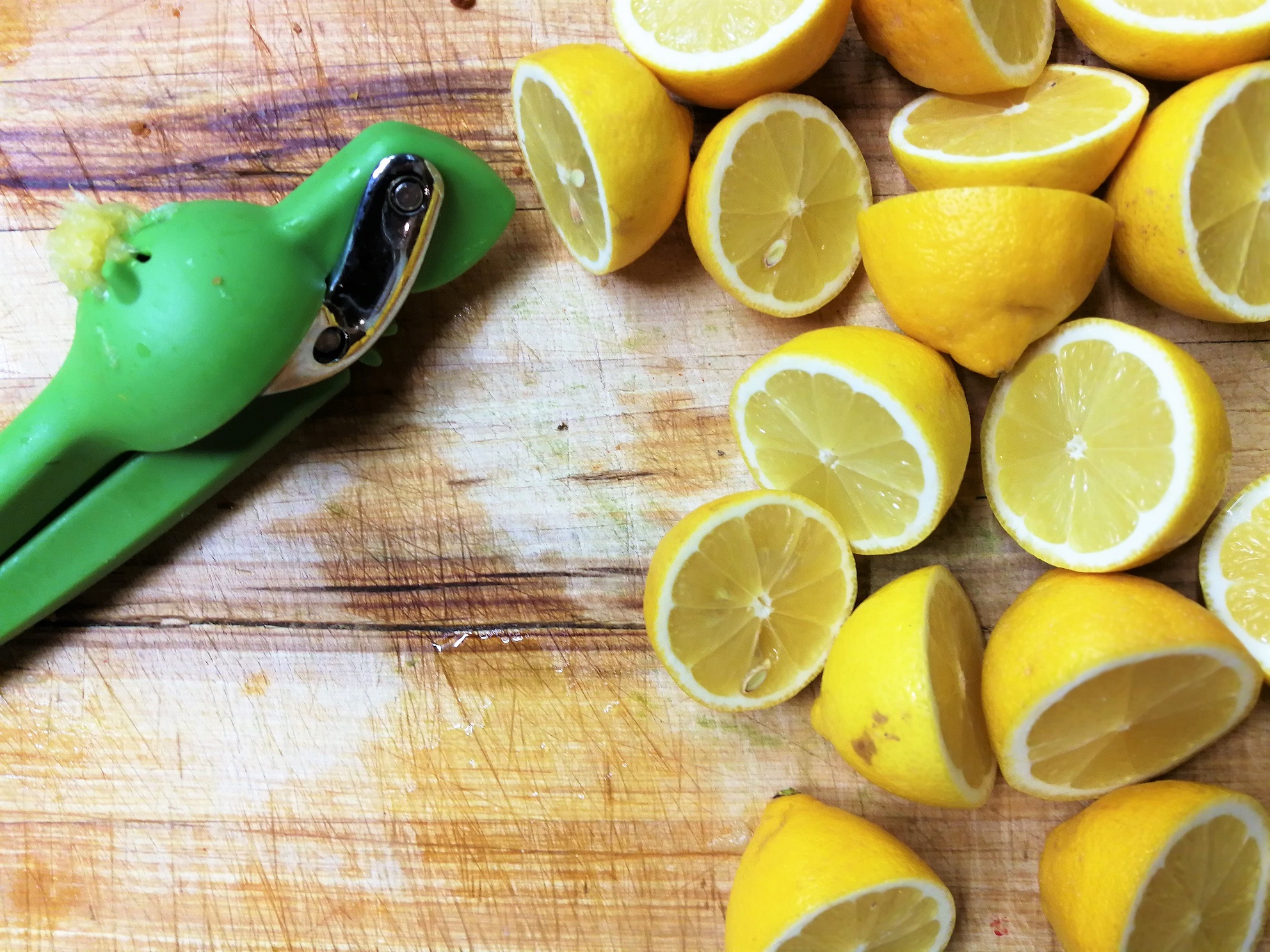
Lemon is always present, either as a wedge or a thin slice, because the acidity is part of the eating experience rather than just a decoration. Some kitchens add a small amount of thinly sliced red onion or chives for color and sharpness. The overall aesthetic is clean and Nordic: white, green, orange, and gold tones that reflect the natural ingredients without unnecessary flourish.
What’s the difference between Swedish and Danish skagen?
The key difference between Swedish and Danish skagen lies in the base binding and the bread. Swedish skagen typically uses a mayonnaise-forward mixture, often enriched with a little sour cream, and is served on butter-fried toast. Danish versions tend to lean more heavily on mayonnaise alone and are frequently presented on rugbrød, the dense sourdough rye bread central to Danish smørrebrød tradition.
Swedish skagen, particularly in its restaurant form, is often associated with a more refined presentation, with roe as a standard garnish and the butter-fried toast as a defining feature. Danish skagen preparations are more likely to appear as part of a broader smørrebrød spread, where the shrimp topping is one of many open-faced combinations served at lunch.
The flavor profiles also differ slightly. Danish versions may incorporate a touch of mustard or horseradish, reflecting the broader smørrebrød tradition of layered, assertive flavors. Swedish preparations tend to stay closer to the pure, delicate sweetness of the shrimp, letting the quality of the cold-water seafood speak for itself. Both traditions celebrate Nordic seafood at its best, and both are worth exploring.
What wines or drinks are typically paired with skagen?
Skagen pairs best with crisp, high-acid white wines or sparkling wine. Champagne and Cava are the most celebrated matches, as their fine bubbles and toasty acidity cut through the richness of the mayonnaise while complementing the sweetness of the shrimp. A well-chilled Muscadet, Albariño, or unoaked Chablis also works beautifully.
In Scandinavian tradition, aquavit is another natural partner. A small, ice-cold glass of dill-forward aquavit alongside skagen creates a deeply Nordic pairing that echoes the dill already present in the dish. The herbal, slightly anise-like character of aquavit amplifies the fresh flavors rather than competing with them.
For non-alcoholic options, sparkling water with lemon or a light elderflower cordial diluted with sparkling water provides a similar refreshing contrast. The guiding principle is always acidity and lightness, because the shrimp mixture is delicate and a heavy or tannic drink will overwhelm it. At Fisken på Disken, champagne and fresh oysters are a beloved after-work ritual, and that same logic applies perfectly to skagen.
Can skagen be served as part of a modern tasting menu?
Yes, skagen works exceptionally well as part of a modern tasting menu, typically as a refined amuse-bouche, a starter course, or an intermezzo. Contemporary Nordic kitchens have reinterpreted the classic in smaller, more composed formats that fit seamlessly into multi-course dining experiences without losing the dish’s essential character.
Modern plating approaches might present skagen in a small pastry shell, on a crisp potato wafer, or inside a delicate lettuce cup rather than on traditional toast. The shrimp mixture can be refined with lobster mayonnaise, premium roe, or the addition of crayfish tails to increase complexity and luxury. These adaptations respect the dish’s foundations while expressing a chef’s individual perspective.
The dish’s natural elegance, its clean flavors, beautiful colors, and connection to Nordic seafood heritage make it a compelling choice for tasting menus that want to tell a story about place and season. A well-crafted skagen course signals culinary confidence: it is a dish that requires no disguise, only excellent ingredients and careful balance. For anyone curious about how a restaurant kitchen can honor tradition while pushing forward, a modern skagen course is a wonderful entry point into Nordic seafood cuisine dining experience.